Factory-direct commercial grade coffee and specialty vending platforms configured specifically for 220V/50Hz power systems, dual payment protocols, and high-frequency usage in LATAM environments.
Understanding the macroeconomic shifts, consumer dynamics, and operational realities in South America’s third-largest economy.
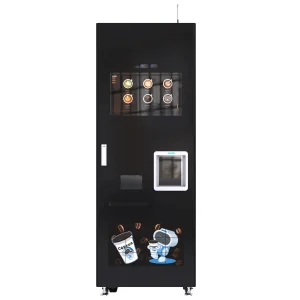
Argentina's fast-evolving economic conditions require commercial enterprises, hospital cafeterias, and educational institutions to constantly manage operating overhead. Traditional brick-and-mortar cafés face immense wage adjustments, high venue rentals, and complex staffing schedules. Automated bean-to-cup coffee vending machines provide Argentine business operators with an inflation-resilient, 24/7 revenue channel that drastically minimizes direct labor reliance while maintaining premium product margins.
The Argentine consumer preference has shifted radically over the past decade. While traditional cafés de barrio in Buenos Aires remain cultural staples, the younger demographic in metropolitan areas like Córdoba, Rosario, and Mendoza demands high-grade espresso made from freshly ground beans. Instant coffee is rapidly losing market share to automated bean-to-cup extraction systems capable of delivering espresso with rich crema, macchiatos, and iced lattes under 45 seconds.
Navigating the payment landscape in Argentina requires localized hardware and software architecture. Cash acceptancy (MDB protocol bill validators supporting current Argentine Peso notes) remains essential in transit hubs, while digital transactions dominate metropolitan centers. Our coffee vending machines seamlessly integrate with Mercado Pago QR code payment networks, Nayax credit card readers, contactless RFID cards, and dual-currency bill/coin acceptors, protecting operators against payment drop-offs.
Why sourcing directly from an established Guangzhou source manufacturer outperforms European trading intermediaries in cost, customization, and technical agility.
Operating an 11,000 m² modern manufacturing facility in Guangzhou, we control sheet metal stamping, precision boiler assembly, wiring harness fabrication, and PCB board programming in-house. This direct control eliminates middleman markups, reducing unit cost for Argentine importers by 40% to 60% compared to legacy European vendors.
Our coffee vending machines incorporate high-hardness flat steel burr grinders, Swiss-engineered flowmeters, Italian 19-bar extraction pumps, and dual independent boilers (steam and brewing). This ensures zero thermal drop during continuous morning peak rushes in high-volume locations.
From custom Spanish UI software, tailored cabinet vinyl wraps, integrated LED branding elements, to localized payment acceptor bracket engineering — we provide end-to-end original design manufacturing to help Argentine distributors build strong local brands.
| QC Phase | Inspection Focus | Technical Standard | Operator Assurance Impact |
|---|---|---|---|
| Phase 01-03 | Incoming Parts & Electrical Inspection | CE, RoHS, UL Food Grade Standard | Zero component failure upon unboxing in Argentina ports. |
| Phase 04-07 | Boiler & Hydraulic Pressure Check | Continuous 1.9 MPa Hydro-Test | Prevents water leakage and pressure drop during peak service. |
| Phase 08 | 24-Hour Active Electrical Burn-In | 100% Thermal & Logic Simulation | Eliminates microchip board defects before overseas shipment. |
| Phase 09 | 200-Unit Continuous Brew Test | Grind Consistency & Temperature ±1°C | Guarantees beverage consistency from cup 1 to cup 200 daily. |
| Phase 10-11 | Vibration & Export Wooden Packaging | ISTA Transportation Test Standard | Protects equipment during 35-45 day ocean freight to Buenos Aires. |
Incorporating IoT telemetry, automated milk systems, and multi-beverage modules to maximize operator profits.
Modern operators can no longer afford manual stock-checking routes across spread-out urban geography. Our cloud management platform connects via 4G/Wi-Fi to provide live dashboard statistics: bean hopper levels, powder canister stock, water filter status, daily revenue analytics, and immediate SMS/Email alert triggers if a component requires cleaning or servicing.
Argentina experiences distinct seasonal variations. During warm summer months in provinces like Santa Fe and Mendoza, hot espresso sales shift toward cold brewed iced coffees, chilled latte macchiatos, and flavored iced teas. Our machines feature optional built-in commercial ice makers and cooling modules, allowing year-round high beverage sales turnover regardless of ambient temperature.
Food safety compliance in corporate and public settings is paramount. Integrated Clean-In-Place (CIP) technology automatically flushes liquid tubes, mixing chambers, and espresso group heads with 90°C hot water at user-defined intervals (e.g., after every 20 drinks or at 2:00 AM daily), reducing field maintenance technician labor by 70%.
Equipped with high-resolution 21.5-inch Android-powered touch screens, our equipment functions as both a beverage dispenser and a dynamic digital ad screen. Operators can sell video advertising space to local businesses or promote high-margin combo deals while beverages are actively being ground and brewed.
High-margin placement strategies mapped to key commercial hubs and consumer traffic nodes in Argentina.
Highway corridors connecting Buenos Aires to Rosario and Córdoba see massive traffic. Self-service bean-to-cup coffee machines relieve counter queues during morning rush hours, providing drivers with fast espresso shots and latte options.
High-density office buildings, multinational tech headquarters, and co-working spaces require reliable 24/7 refreshment nodes. Cashless RFID card payment configuration allows companies to offer subsidized staff coffee perks easily.
Student campuses host tens of thousands of daily visitors who prioritize speed, affordability, and digital payment methods like Mercado Pago. High-capacity powder canisters minimize restocking frequency.
Waiting rooms and staff break rooms require whisper-quiet, clean, and continuous hot beverage dispensing. Touched-less QR payment options enhance sanitary protection for visitors and medical staff alike.
High footfall transport hubs benefit from vandal-proof stainless steel housing, tempered glass touch panels, dual lock security, and high-volume coin/banknote cash boxes built for heavy daily usage.
Eye-catching LED cabinet lighting, futuristic design UI, and specialty hot chocolate or chai milk options drive high impulse purchases among shoppers and families strolling through central atrium walkways.
How our direct factory partnership model enables Argentine operators to achieve rapid capital return and long-term fleet scalability.
In high-traffic Argentine locations averaging 80 cups per day at an average retail price of 1,500 ARS per cup, raw ingredient costs (fresh roasted beans, milk powder, paper cups, sugar) typically represent less than 22% of gross revenue. With factory-direct pricing, fleet operators achieve full capital equipment payback (CAPEX recovery) within 5 to 8 months per machine, far outperforming traditional retail concessions.
We supply comprehensive spare parts packages with every container shipment—including replacement solenoid valves, grinder burrs, brewing group gaskets, pump modules, and touch panels. Furthermore, our dedicated video tech-support desk assists Argentine field engineers in real-time, backed by complete Spanish schematic diagrams and step-by-step video manuals.
Contact our engineering export team today for factory-direct wholesale quotes, localized payment configuration specs, and complete container shipping estimates to Buenos Aires (Puerto Retiro / Zarate).
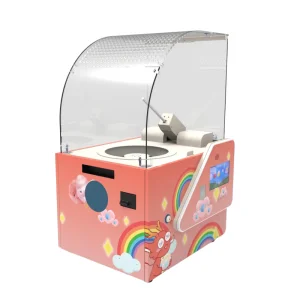
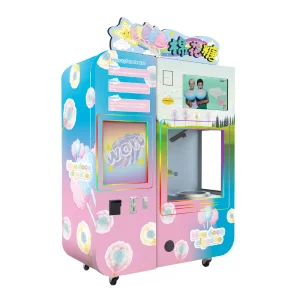
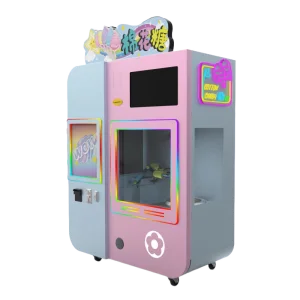
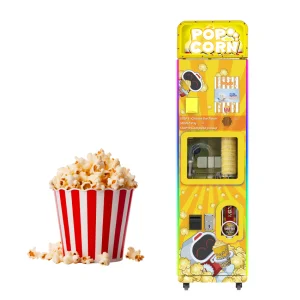
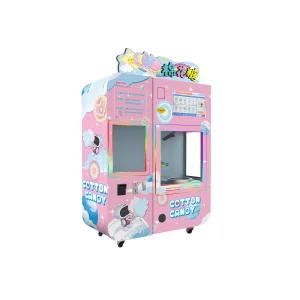
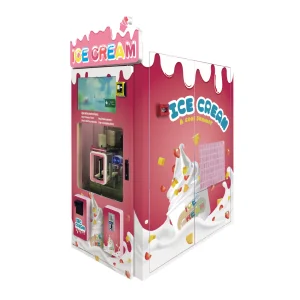
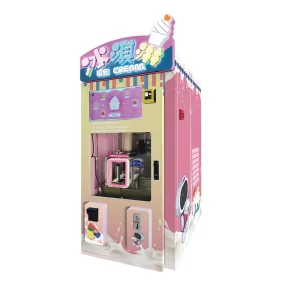
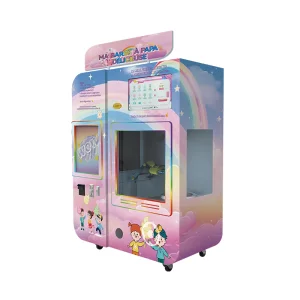
Send Inquiry NowIn addition to coffee vending machines, our factory designs and manufactures a complete lineup of automated food robotics for international distributors.



Detailed answers to import compliance, voltage setup, payment configuration, and maintenance routines in Argentina.
Connect directly with our Guangzhou manufacturing engineering team to receive full catalog specifications, FOB/CIF shipping quotes to Argentina, and detailed ROI operational models.
