Factory-direct commercial robotic vending machines engineered for high throughput, remote cloud management, and zero-downtime operation.
Analyzing the paradigm shift from traditional soluble dispensers to intelligent, bean-to-cup robotic espresso hubs across international markets.
The global commercial coffee vending machine market is experiencing unprecedented momentum, projected to expand at a compound annual growth rate (CAGR) exceeding 7.8% through 2030. Driven by structural shifts in urban working environments, escalating labor costs, and consumer demand for specialty-grade espresso on-the-go, automated self-service kiosks have transcended traditional office breakrooms into high-yield commercial property assets.
Commercial operators face unprecedented wage inflation and barista retention shortages. Modern bean-to-cup vending systems eliminate human labor operational bottlenecks. Operating 24/7/365 with zero barista training, automated coffee kiosks deliver consistent extraction pressure (19-bar extraction systems) and beverage quality while capturing 85%+ gross profit margins on fresh coffee bean sales.
Historical consumer aversion to low-quality instant coffee powder vending has been completely reversed by precision OEM manufacturing. Modern hardware incorporates ceramic flat burr grinders, precision boiler thermal control, automatic fresh milk texturing, and dual-powder dispensers, offering micro-café quality espresso, cappuccinos, lattes, and nitro-infused cold brews at the tap of a screen.
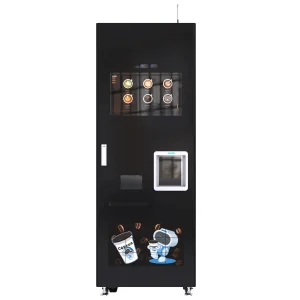
According to recent global vending metrics, location foot traffic conversion rates increase by up to 34% when machines offer custom cold ice dispensation alongside fresh espresso brewing. Machines such as the SF308 Series combine automatic ice-making systems with high-pressure bean extraction to target younger demographics demanding specialty iced lattes year-round.
Inside SevenCloud's state-of-the-art production facility: Bridging heavy industrial fabrication with precision culinary robotics.
Unlike consumer-grade plastic appliances, commercial coffee vending machines require industrial structural integrity. Built with laser-cut galvanized steel chassis and anti-corrosive powder coating, our factory models withstand high-traffic vandalism, thermal stress, and continuous heavy-duty service cycles across transport hubs and shopping malls.
Every commercial coffee vending unit undergoes a rigorous 11-step factory audit. This includes hydraulic pressure testing at 22-bar peak tolerance, boiler thermal stability verification, automated cup dispenser alignment tests, MDB telemetry card reader validation, and an intensive 24-hour continuous dispensing burn-in run to guarantee out-of-the-box reliability.
Engineered for multi-unit fleet operators, our machines feature integrated Android/Linux IoT controllers supporting MDB 4.3, DEX, and Executive protocols. Real-time telemetry allows remote monitoring of bean hopper levels, boiler scale accumulation, daily turnover analytics, automated clean cycles, and remote firmware updates over secure cellular channels.
Customized equipment specifications, water management systems, and payment hardware for diverse commercial ecosystems.
Solution Configuration: Dual bean hoppers (Decaf + Premium Arabica), integrated fresh milk steam frothing module, and contactless employee ID card / NFC payment integration. Ultra-quiet ceramic grinding mechanisms minimize workplace acoustic disruption while delivering up to 300 cups per day without manual refilling.
Solution Configuration: High-throughput dual-cup dispenser system (supports 8oz, 12oz, and 16oz cups), dual bill/coin acceptors with Nayax/Nayax-V POS card readers, and industrial water mains filtration attachment. Engineered for 45-second rapid bean-to-cup cycle times during peak rush hours.
Solution Configuration: Antimicrobial silver-ion touchscreens or QR-code touchless smartphone ordering UI. Certified NSF/CE food-grade internal tubing, sealed automated sanitization wash programs, and 24-hour uninterrupted operation providing warm, comforting beverages to medical personnel and visitors.
A direct, non-padded financial breakdown comparing factory-direct coffee vending procurement against traditional franchise cafes.
| Financial & Operational Metric | Traditional Retail Café | Commercial Coffee Vending Robot | Operational Advantage |
|---|---|---|---|
| Initial Capital Expenditure (CAPEX) | $120,000 - $250,000 | $3,500 - $8,500 (Factory Direct) | 95% Lower CAPEX |
| Monthly Operating Expenses (OPEX) | $15,000+ (Staffing, Rent, Utilities) | $300 - $800 (Power, Raw Beans, Rent) | Zero Direct Labor Cost |
| Daily Operating Hours | 8 to 12 Hours / Day | 24 Hours / Day (Unattended) | +100% Availability |
| Gross Margin per Cup Served | 55% - 65% (Eroded by overhead) | 82% - 89% (High yield raw bean conversion) | +25% Higher Margin |
| Average Investment Payback Period | 24 to 36 Months | 3.5 to 7 Months | Accelerated ROI |
1 kg of whole espresso coffee beans yields approximately 110-120 cups of single-shot espresso. At a raw bean cost of $12/kg and cup/lid cost of $0.10/unit, the total COGS per cup is approx. $0.21. Retailing at a conservative commercial vending price of $2.50 to $4.00 per beverage results in an exceptionally lucrative payback velocity for operators deploying fleets of 10+ machines.
How localized consumer preferences and emerging AI tech are redefining the next decade of automated coffee manufacturing.
Different global markets demand custom hardware configurations. North American setups require large-volume 16oz cup drop mechanisms and iced coffee syrup pumps. European markets demand high-pressure 9-bar extraction boilers and compact footprints. Asian and Middle Eastern deployments prioritize real milk micro-foam technology, matcha/tea powder hoppers, and local cashless wallets (Alipay, WeChat Pay, KakaoPay, Paytm).
By 2026, next-gen machines will incorporate optical sensory feedback to monitor extraction flow rate, automatically adjusting burr distance in real-time to compensate for bean humidity and roast degradation. AI algorithms analyze pressure telemetry to schedule preventative descaling cycles before boiler downtime occurs.
Next-generation thermal blocks replace energy-inefficient dual-boilers with instant induction heating modules. This reduces standby electricity consumption by up to 60%, aligning with international green building standards and reducing operating overhead for sustainability-focused clients.
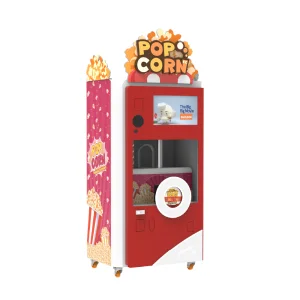
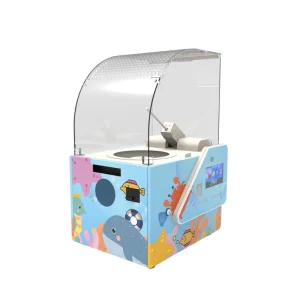
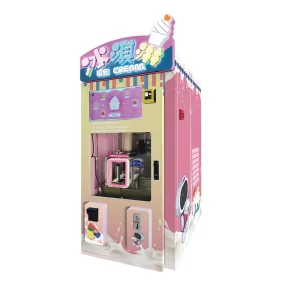
Explore our full factory catalog of popcorn, cotton candy, ice cream, and specialized automated vending machinery.
Direct answers from our engineering team regarding coffee vending customization, sanitation compliance, payment hardware, and global logistics.
Instant coffee vending machines use pre-processed soluble powder mixed with hot water. While lower in hardware cost, they produce inferior beverage quality. Bean-to-cup machines (such as our commercial SF308 series) integrate precision burr grinders and high-pressure espresso pumps (19-bar extraction) to grind whole roasted beans per order, delivering authentic crema, superior aroma, and significantly higher retail price points for operators.
Sanitation is automated via built-in CIP (Clean-In-Place) program cycles. The software triggers boiling-water flushes of the brewing chamber and liquid delivery tubes at user-defined intervals (e.g., after every 20 cups or during non-peak overnight hours). Food-contact zones use NSF-certified silicone tubing and food-grade 304 stainless steel boilers compliant with CE, ETL, and NAMA international standards.
Our machines support MDB 4.3 standard protocols. We factory-install card readers (Nayax, Ingenico, PAX), bill acceptors, coin mechanisms, and digital QR payments (Apple Pay, Google Pay, credit/debit chip card tap). Payment configurations are tailored specifically to your target export country before shipping.
Yes. As a direct source factory, we offer full OEM/ODM services. We customize the exterior vinyl wraps, cabinet color schemes, silk-screened metal branding logos, UI screen language translations (supporting 30+ languages), cup design sizes, and custom menu recipe software presets to match your enterprise brand guidelines.
Machines can operate via three flexible water setups: (1) Direct connection to municipal mains water with an inline multi-stage carbon/softener filtration system; (2) Internal high-capacity water pump drawing from 18.9L (5-gallon) bottled water carboys stored inside the cabinet base; or (3) External auxiliary water tanks for mobile event setups.
Our SaaS telemetry platform provides a centralized dashboard accessible via desktop or mobile app. Operators monitor real-time sales revenue, inventory depletion (bean hoppers, milk powder, syrup levels, cup counts), error code alerts (e.g., water shortage or grinder jam), and can remotely adjust drink recipes or prices across 100+ machines simultaneously.