Comprehensive B2B Whitepaper: Engineering Next-Generation Automated Micro-Retail Solutions, IoT Telemetry Infrastructure, and Localized Ecosystem Deployment across Klang Valley
Kuala Lumpur represents one of Southeast Asia's most dynamic consumer and commercial epicenters. As the urban heartbeat of Malaysia, the Klang Valley metropolitan area—encompassing high-density transit corridors, luxury commercial hubs like Bukit Bintang and KLCC, and massive educational clusters in Subang Jaya—is undergoing a rapid structural transition toward autonomous micro-retail. Driven by post-pandemic shifts in consumer touchpoints, high labor costs, and an accelerating national push toward a cashless society, specialized commercial vending equipment has transitioned from basic refreshment dispensers into sophisticated, high-margin robotic retail terminals.
For enterprise procurement officers, property managers, and commercial operators in Kuala Lumpur, selecting the right vending hardware manufacturer goes beyond off-the-shelf purchasing. It requires an architectural understanding of regional environmental resilience (managing Malaysia's tropical 80%+ relative humidity), localized cashless payment integrations (including DuitNow QR, Touch 'n Go eWallet, GrabPay, and Visa/Mastercard EMV card readers), and adherence to local regulatory frameworks overseen by SIRIM Berhad and the Energy Commission (Suruhanjaya Tenaga).
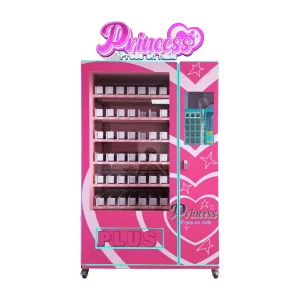
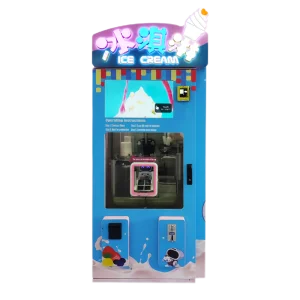
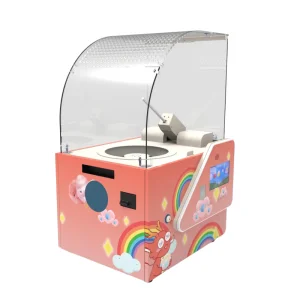
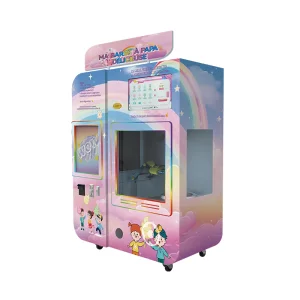
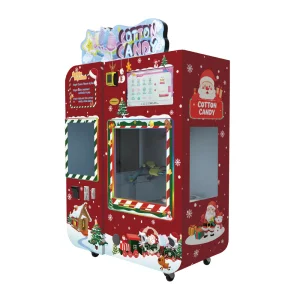
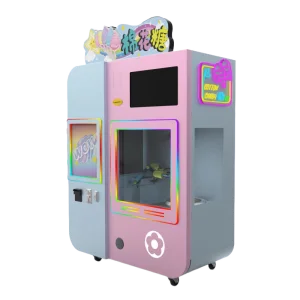
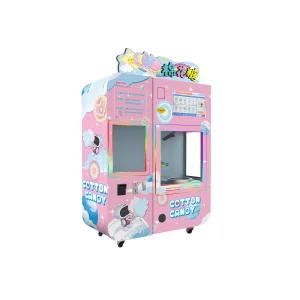
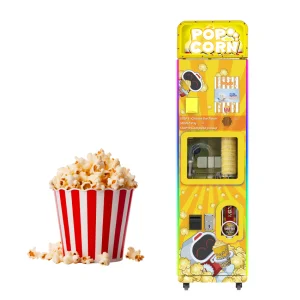
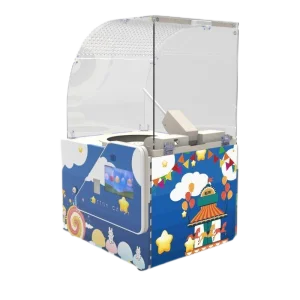
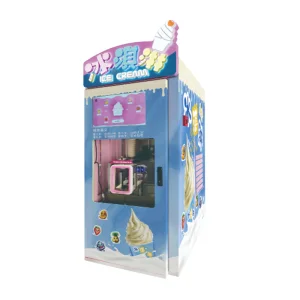
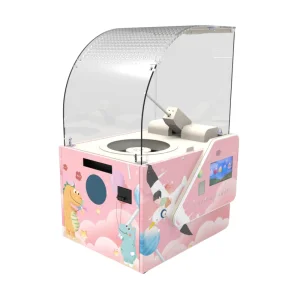
The following automated vending platforms represent primary deployments optimized for high footfall commercial venues across Kuala Lumpur, including premier shopping centers, transportation hubs, and transit stations:
Commercial enterprise buyers face a critical strategic decision when expanding an automated retail footprint across Malaysia: sourcing directly from original equipment manufacturers (OEM/ODM source factories in global manufacturing hubs) versus partnering with regional middleman trading agents. Evaluating this decision from a Total Cost of Ownership (TCO) perspective highlights significant structural advantages in factory-direct models:
Bypassing regional markup layers reduces per-unit capital outlay significantly. Direct sourcing enables enterprise operators in Kuala Lumpur to deploy broader fleets within identical budgetary constraints.
Direct factory engineering access allows full customization of structural chassis wraps, firmware UI localization (Bahasa Melayu, English, Mandarin), payment gateway API integration, and bespoke mechanical dispensing configurations.
Direct relationships eliminate part obsolescence risks. Source manufacturers guarantee long-term availability of core components (PLCs, peristaltic pumps, robotic arms, coin/cash validators) shipped under priority SLA express protocols.
Deploying automated micro-retail kiosks in the Klang Valley requires customized hardware and operational strategies tailored to specific commercial ecosystems:
Locations: Pavilion Kuala Lumpur, Mid Valley Megamall, The Exchange TRX, 1 Utama.
Operational Strategy: High-traffic atrium corridors require visual magnetism. Automated robotic cotton candy and soft-serve ice cream units serve dual roles: high-margin retail concessions and visual entertainment drawcards. Transparent tempered glass enclosures combined with customizable RGB LED lighting sequences convert passive shoppers into impulse buyers.
Locations: KL Sentral Terminal, MRT Kajang & Putrajaya Lines, LRT Kelana Jaya Line.
Operational Strategy: Transit environments prioritize transaction speed and contactless interaction. Freshly ground coffee and hot/cold snack vending kiosks with fast cashless integration (sub-3 second DuitNow QR verification) capture commuter volume during peak transit hours.
Locations: Sunway Lagoon, Berjaya Times Square Theme Park, Genting Highlands Corridor.
Operational Strategy: High ambient temperatures and high footfall require continuous production stability. Equipment engineered with heavy-duty compressor systems, high-capacity ingredient hoppers, and sealed syrup delivery paths ensures uninterrupted service during peak weekend surges.
Locations: Sunway University, Taylor's Lakeside Campus, Universiti Malaya (UM).
Operational Strategy: Student demographics expect 24/7 access, affordable pricing, and healthy snack alternatives. Automated popcorn units (such as sugar-free/oil-free hot air popping systems) combined with mobile wallet payments deliver round-the-clock convenience in student lounge areas and libraries.
Modern automated vending terminals are advanced robotics platforms integrated with cloud infrastructure. Engineering reliability for unmanned operations relies on four core technical pillars:
Operating in Malaysia's tropical climate requires specialized environmental controls within machine enclosures. Internal dehumidification systems maintain sub-45% internal humidity to prevent sugar clogging in cotton candy units and maintain ingredient integrity in popcorn and coffee dispensers. Heavy-duty tropicalized compressors ensure ice cream mixes remain consistently at strict pasteurization temperatures (4°C).
Operators manage multi-machine networks across Klang Valley using real-time SaaS dashboards accessible via web and mobile. Remote diagnostics track ingredient depletion levels, real-time sales transactions, internal temperature telemetry, and automated error codes, enabling predictive maintenance trips rather than reactive troubleshooting.
Precision stepper motors and industrial-grade PLCs execute complex dispensing routines. High-precision robotic arms craft multi-color, patterned cotton candy shapes or dispense measured soft-serve cones with consistent weight control, eliminating product waste and ensuring repeatable quality.
Automated food machines feature closed-loop Clean-In-Place (CIP) pasteurization cycles, UV-C germicidal disinfection lamps within dispensing chambers, and food-grade 304 stainless steel product contact surfaces, satisfying international food safety benchmarks and local health authority requirements.
Deploying commercial vending machinery in Kuala Lumpur requires strict alignment with local electrical, safety, and cultural compliance mandates:
All imported equipment must comply with Suruhanjaya Tenaga (Energy Commission) guidelines. Wiring, power supplies, and high-wattage heating components are tested to meet SIRIM safety standard benchmarks (240V / 50Hz single-phase or 415V three-phase configurations standard in Malaysia).
In a Muslim-majority market, food contact compliance is vital. Machine fluid lines, mixing bowls, and ingredient storage hoppers are engineered for easy cleaning and compatibility with JAKIM-compliant food-grade sanitizers, ensuring smooth operational approval across diverse venue categories.
Commercial operators benefit from dedicated SLA frameworks covering rapid spare-parts dispatch within the Klang Valley, on-site technical training for field maintenance teams, and remote engineering troubleshooting directly from factory technical staff.
Explore our full catalog of automated retail machinery, optimized for commercial applications, leisure venues, pop-up events, and industrial packaging applications across Malaysia:
Expert answers regarding equipment procurement, local payment integration, shipping, and technical maintenance across Malaysia:
Contact our factory engineering and international export team to receive equipment catalogs, technical drawings, shipping estimates to Port Klang, and bespoke project quotations.