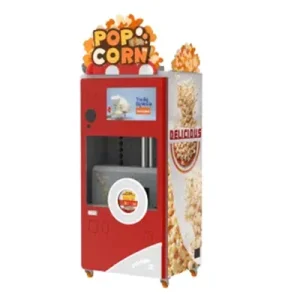
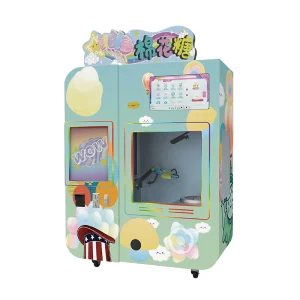
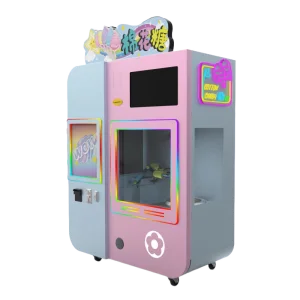
Engineered with dual-voltage stabilizer modules, climate-resilient sealing, and integrated mobile money connectivity (MTN MoMo ready).

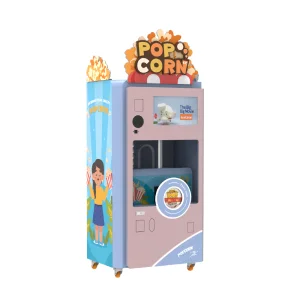

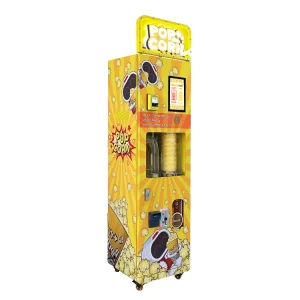
Analyzing the macroeconomic shift toward contactless, hygienic, and self-service food retail systems across West Africa's fastest-growing urban hubs.
The Republic of Ghana is undergoing a rapid modern retail transformation. Driven by expanding urban centers like Accra, Kumasi, Takoradi, and Tamale, consumer purchasing behavior is transitioning from traditional open-air markets to climate-controlled commercial venues. Malls such as West Hills Mall, Kumasi City Mall, and Accra Mall experience massive daily foot traffic seeking quick, clean, and interactive snack choices. Automated popcorn vending robots fulfill this demand by providing fresh, high-temperature, hygienic popcorn without requiring human food handlers.
Operating commercial machinery in West Africa requires solving two critical engineering hurdles: power grid instabilities (commonly known in Ghana as Dumsor) and coastal high humidity. As an OEM manufacturer, SevenCloud integrates high-capacity Automatic Voltage Regulators (AVR with 160V–260V tolerance), seamless UPS battery-backup systems, and hermetically sealed kernel hoppers to ensure non-clumping popping, continuous 24/7 uptime, and long-term hardware preservation.
Why smart snack robotics present an unprecedented Return on Investment (ROI) opportunity for Ghanaian entrepreneurs and corporate fleet operators.
Traditional popcorn concessions rely on manual popping, continuous cashier staffing, and manual inventory tracking. SevenCloud's fully automated popcorn robots perform heating, oil/sugar dosage, cup dispensing, and payment processing automatically—slashing recurring operational labor overhead by up to 92%.
Raw butterfly and mushroom corn kernels, combined with specialty popping oils and seasonings, carry exceptionally low unit costs. Selling freshly popped, aromatic popcorn in high-traffic Ghanaian venues yields profit margins exceeding 75% to 85% per serving cup, offering rapid payback periods.
Fleet operators can monitor revenue, remaining raw material weight, daily popping cycles, and error alerts directly via smartphone or desktop web portals. Never run out of kernels or encounter unhandled technical disruptions in remote Ghanaian site locations.
When selecting a popcorn vending supplier for the Ghanaian market, operators must evaluate internal heating mechanics. Conventional hot-air machines offer oil-free popping, but often produce a dry, bland product. SevenCloud’s advanced commercial P30 and P10 series utilize patented closed-loop, precision-induction heating combined with pressurized micro-oil injection or dry-seasoning powder coating. This delivers authentic, crisp, movie-theater quality popcorn in under 90 seconds while maintaining strict internal self-cleaning (CIP) cleanliness.
Standard commercial vending units frequently fail in West Africa due to environmental mismatch. SevenCloud custom builds every machine specifically for tropicalized operational conditions.
Ghana is a mobile-first economy. Cash payments present physical security risks and change-handling maintenance. SevenCloud popcorn vending machines support MDB (Multi-Drop Bus) protocol telemetry, enabling direct integration with:
During the Harmattan season, airborne dust spikes across Ghana, while coastal regions face high salinity and humidity. Our structural engineering specifications incorporate:
Selecting optimal high-footfall locations guarantees faster equipment payback and maximum daily snack transaction volumes.
Placing vending robots near main entrances, food courts, or kids' play zones in Accra Mall, Achimota Retail Centre, West Hills Mall, Marina Mall, and Kumasi City Mall captures high impulse family traffic.
Movie theaters such as Silverbird Cinemas (Accra & Kumasi) experience severe concession counter long lines. Supplementary automated popcorn vending machines capture excess demand without increasing theater payroll.
Deploying units across campus hot-spots at University of Ghana (Legon), KNUST (Kumasi), and UCC (Cape Coast) delivers affordable, fast, late-night study snacks to tech-savvy students using mobile wallet payments.
Protecting your enterprise investment through international manufacturing certifications and seamless customs clearance documentation.
Importing commercial machinery through Ghana’s primary maritime hub at Port of Tema requires strict compliance with local bodies including the Ghana Standards Authority (GSA) and Food and Drugs Authority (FDA Ghana). SevenCloud provides full documentation packages including:
We understand that machine downtime means lost revenue. SevenCloud backs all Ghanaian deployments with:
Get clear, authoritative answers regarding popcorn vending machine procurement, shipping, localized power, and profit potential in West Africa.
SevenCloud installs industrial wide-voltage Automatic Voltage Regulators (AVR) inside machines configured for Ghana, allowing stable operation from 160V up to 260V. Furthermore, an optional uninterruptible power supply (UPS) or solar-inverter hybrid input can be added to gracefully finish popping cycles and maintain payment telemetry during sudden local grid load-shedding.
Yes. Our standard international telemetry board uses the MDB 4.2 protocol. We pre-configure machines to integrate with local Ghanaian telecommunication APIs (MTN MoMo, Telecel Cash) via dynamic QR code scanners. For physical cash, multi-channel banknote bill validators are calibrated specifically for Ghanaian Cedi notes (GHS 1, 2, 5, 10, 20, 50).
Factory manufacturing and custom configuration take 10 to 15 business days. Maritime ocean freight from our Guangzhou facility to Tema Port, Accra typically takes 30 to 40 days. Air freight options are also available for urgent samples or spare parts, taking 5 to 7 days to Kotoka International Airport (ACC).
Ghana’s coastal humidity can make unpopped corn kernels absorb moisture, leading to poor expansion rates. SevenCloud machines feature sealed, food-grade acrylic hoppers equipped with internal micro-heaters and silicone dehumidification seals. This keeps raw corn dry and crisp regardless of ambient humidity in cities like Takoradi or Accra.
With high footfall locations averaging 60 to 100 cups sold daily at an average price of GHS 15–20 per cup, and raw material costs sitting at approximately GHS 3–4 per serving, net profit per cup exceeds 75%. Most Ghanaian operators recover their full capital equipment investment within 4 to 7 months of continuous operation.
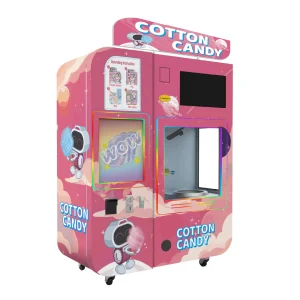
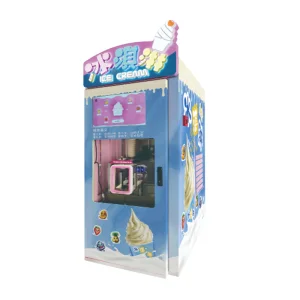
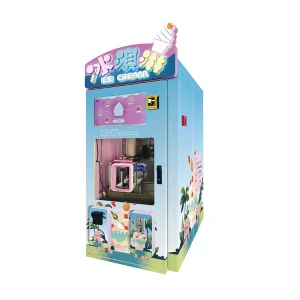
Explore our broader range of autonomous snack robots, ice cream machines, cotton candy creators, and cosmetic vending kiosks.