
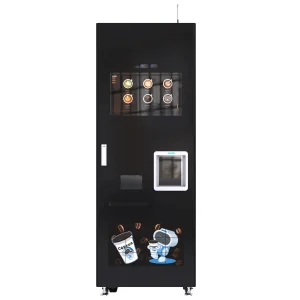
SF308 Commercial Bean-to-Cup & Iced Coffee Vending Machine
High-capacity fresh grinding system with dual powder canisters and instant flash-ice cooling mechanism. Configured for Tokyo micro-cafes.
Industrial-Grade Freshly Ground Bean-to-Cup Architecture, IoT Telemetry & Full PSE/MHLW Compliance for Japan's High-Density Automated Retail Landscape.
Precision-engineered self-service machinery tailored for high foot-traffic Japanese transit hubs, corporate headquarters, and commercial centers.
High-capacity fresh grinding system with dual powder canisters and instant flash-ice cooling mechanism. Configured for Tokyo micro-cafes.
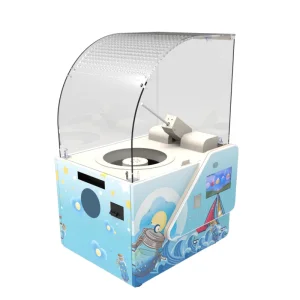
Space-saving, easy-to-clean dessert maker designed for Japanese amusement arcades, family restaurants, and seasonal promotional booths.

Interactive dessert station featuring quick thermal heating and child-safe operation. Ideal for Japanese craft workshops and event venues.
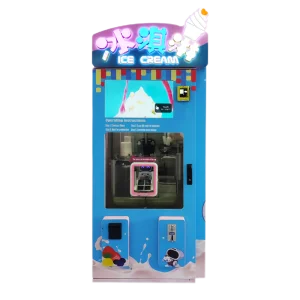
CE & PSE certified fully automated dispensing robot with internal pasteurization and 24/7 cloud sales monitoring for Japanese malls.
Japan represents the world’s most mature unattended retail ecosystem, boasting over 4.0 million active vending terminals nationwide. However, the commercial beverage sector in Tokyo, Osaka, and Nagoya is undergoing a profound structural evolution. Historically dominated by RTD (Ready-To-Drink) canned coffee, consumer expectations have rapidly shifted toward freshly ground espresso (挽きたて) and specialized barista-quality hot and iced espresso beverages.
Driven by demographic shifts, severe retail labor shortages, and skyrocketing commercial rents per square meter, Japanese B2B buyers—ranging from transit authorities to office building developers—are replacing legacy canned machines with custom bean-to-cup automated kiosks. Partnering with an expert Custom Coffee vending machine Supplier in Japan is essential to navigate this transition efficiently.
Key operational benchmarks required by B2B corporate buyers and vending operators across Japan:
"In Japanese office deployments, machine reliability and cup-to-cup taste consistency directly correlate with client retention. Equipment failure rates exceeding 0.5% are deemed unacceptable by Tokyo facility managers."
Deploying commercial vending machinery in Japan requires stringent adherence to national safety, sanitation, and cashless infrastructure standards.
Japan’s Electrical Appliances and Materials Safety Act (DENAN Law) mandates strict PSE Diamond/Circle compliance. All SevenCloud custom coffee vending machines supplied to Japanese partners feature pre-certified transformers, flame-retardant wiring harnesses, and 100V / 50Hz–60Hz dual-frequency power units tailored to East/West Japan electrical grids.
Under Ministry of Health, Labour and Welfare guidelines, internal boiler components, silicone fluid conduits, and dispensing nozzles undergo rigorous testing by Japan Food Research Laboratories (JFRL). Automated CIP (Clean-In-Place) thermal flush protocols guarantee zero bacteriological growth in fresh milk and water lines.
We integrate localized MDB payment controllers supporting Japanese NFC standards. Seamlessly connect Sony FeliCa-based transit cards (Suica, Pasmo, ICOCA, Kitaca) alongside popular QR payment gateways including PayPay, Rakuten Pay, d Barai, and LINE Pay with real-time transaction reporting.
As a global pioneer in intelligent food vending robotics, Guangzhou Seven Cloud Technology Co., Ltd. (SevenCloud / Qiyun) bridges cutting-edge industrial R&D with cost-effective Chinese manufacturing scale. Operating an 11,000 m² modern production facility, we provide Japanese OEM/ODM partners with direct factory pricing devoid of intermediary markups.
To meet the zero-defect tolerance expected by Japanese B2B clients, every custom coffee machine undergoes our proprietary 11-step Quality Control process, culminating in a continuous 24-hour burn-in stress test prior to export packaging.
Tailor every hardware and software layer for the Japanese retail environment:
Where custom automated coffee kiosks generate maximum ROI in Japanese metropolitan regions.
In office districts like Marunouchi, Otemachi, and Shinjuku, companies utilize premium fresh-ground coffee vending as an employee welfare amenity. Compact footprints fit seamlessly into breakrooms, offering 24/7 espresso without requiring dedicated barista staff.
High-density train stations require ultra-fast dispensing under 35 seconds per cup. Integrated Suica/Pasmo tap-and-go payment mechanisms allow thousands of morning commuters to purchase fresh lattes without causing corridor congestion.
Hospitality venues replace traditional static lobby beverage carts with 24-hour self-service coffee hubs. Multi-language UI options (Japanese, English, Traditional Chinese, Korean) cater to international tourists seamlessly.
Lexus and Toyota service centers across Aichi and Osaka install touch-screen custom coffee robots to elevate the client waiting experience, serving customized macchiatos and matcha lattes automatically.
Campuses in Kyoto and Tsukuba deploy unmanned micro-cafes providing affordable, high-quality caffeine options to students during late-night study sessions, linked directly to university digital payment cards.
Expressway rest stops along the Tomei and Meishin expressways deploy heavy-duty machines equipped with dual bean hoppers and automated cup lid dispensers for long-distance drivers.
Emerging technological vectors transforming the unattended coffee equipment sector in Japan.
Modern Japanese fleet operators no longer rely on fixed restocking schedules. Integrated optical sensors measure bean hopper levels, syrup volume, and waste grounds capacity in real-time. Machine learning algorithms evaluate pump pressure curves to trigger automated maintenance alerts days before a component failure occurs, ensuring near-100% operational uptime.
Integration with Japanese super-apps allows consumers to pre-configure extraction temperature, milk foam density, and coffee strength on their smartphones. Upon scanning a personalized QR code at the vending kiosk, the machine instantly brews their bespoke beverage in under 30 seconds.
Explore our full line of commercial automated food and beverage systems engineered for international deployment.

Precision shelf-dispensing robot for eyelashes, lipsticks, and beauty accessories. Built for high-footfall Japanese subway malls.

Touchscreen-operated robotic arm crafting multi-color 3D flower designs. Highly popular attraction in Tokyo entertainment districts.
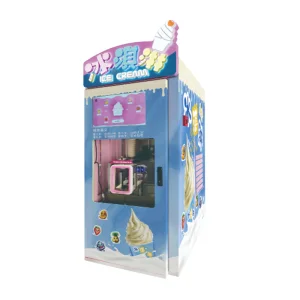
Hygienic sealed freezing chamber with automated cup delivery system for Japanese amusement parks and seaside resorts.
Factory-direct self-service dessert robot equipped with transparent glass window and LED interactive lighting effects.
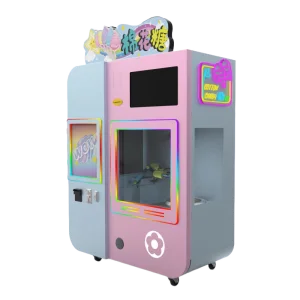
High-speed automated sugar spinning system with precise humidity control for consistent production in Japanese venues.
Smart retail cabinet engineered for delicate cosmetics packaging, featuring customizable coils and optical drop sensors.

Flagship 2025 model featuring dual-flavor dispensing, automatic cleaning cycles, and cashless payment integration.
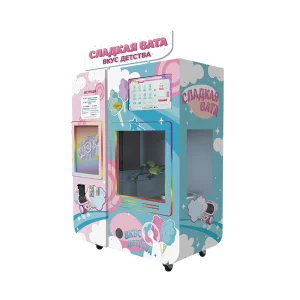
High-capacity visual attraction kiosk offering customizable artwork decals and multi-pattern confectionery recipes.
Expert technical insights regarding commercial coffee vending procurement, Japanese localization, and factory supply capabilities.
SevenCloud (Guangzhou Seven Cloud Technology Co., Ltd.) combines source-factory manufacturing pricing with enterprise-grade engineering. Operating an 11,000 m² facility with 130+ specialized technicians, we deliver fully customized bean-to-cup coffee vending terminals configured specifically for Japanese voltage (100V 50/60Hz), MHLW food safety compliance, and local FeliCa IC payment systems—saving B2B buyers 30%–45% compared to purchasing from local Japanese distributors.
Yes. All coffee vending machines exported to Japan can be equipped with PSE (Electrical Appliances and Materials Safety Act) certified transformers, power cords, and internal electrical components. Furthermore, food-contact materials including boiler chambers, silicone tubing, and dispensing spouts comply with Japan Food Research Laboratories (JFRL) standards under Ministry of Health, Labour and Welfare guidelines.
Japan’s tap water is predominantly soft (typically 20–80 mg/L CaCO3), which can lead to over-extraction or excessive acidity if coffee brewing parameters are uncalibrated. Our machines feature adjustable pre-infusion timing, variable pump pressure curves (9–15 bar), and precision temperature management (92°C ± 0.5°C) to optimize crema body and aromatic balance using local Japanese water sources.
Absolutely. Our vending hardware utilizes international MDB bus protocols compatible with Japanese payment terminals (such as Nayax, Innowave, or localized FeliCa readers). We support cashless transactions via Japanese IC cards (Suica, Pasmo, ICOCA) as well as QR code mobile wallets (PayPay, LINE Pay, d Barai, Rakuten Pay).
Every SevenCloud smart machine includes access to our IoT Cloud Operations Platform. Operators in Tokyo or Osaka can remotely track real-time cup sales, monitor bean hopper and liquid canister levels, adjust grind size and beverage recipes, receive automated error diagnostic alerts, and push OTA firmware updates directly via 4G/5G Japanese cellular networks (NTT Docomo / SoftBank SIM support).
Standard OEM/ODM manufacturing lead time is 15–20 business days depending on customization complexity. Transit time from our Guangzhou factory/Nansha Port to Tokyo or Yokohama ports typically takes 4–7 days via direct ocean freight, allowing rapid fleet deployment for Japanese commercial clients.
Partner directly with Guangzhou SevenCloud Technology—the leading source factory for custom bean-to-cup coffee machines and smart commercial vending robots.