Directly engineered and manufactured by OEM Tier-1 factories. Fully compliant with international electrical and food safety standards for multi-location operators and enterprise fleets.


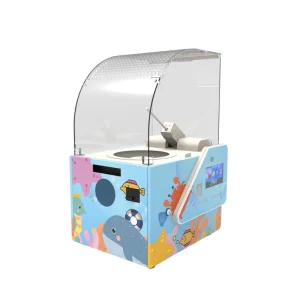
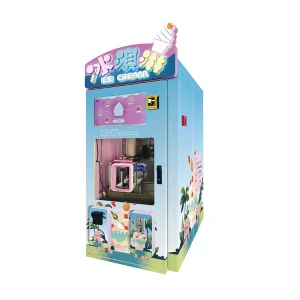
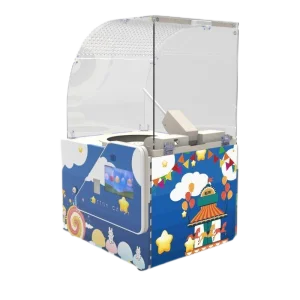
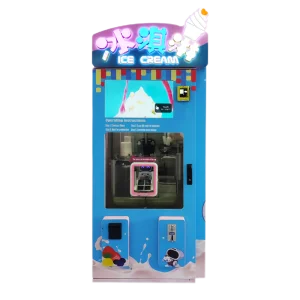
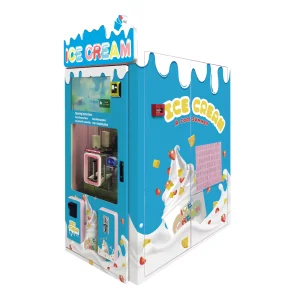

The global automated retail industry is undergoing a paradigm shift from traditional mechanical drop-vending to complex, robotic, multi-axis food processing systems. Modern unattended equipment—ranging from soft-serve ice cream robots featuring hermetic pasteurization loops to multi-pattern robotic cotton candy fluffing stations—demands an entirely new approach to asset maintenance, OEM component sourcing, and lifecycle management.
Historically, vending machine maintenance was predominantly reactive ("break-fix"), relying on local field service technicians to physically inspect mechanical coin mechanisms, belt drives, and simple refrigeration coils. Today, enterprise fleet operators managing thousands of high-yield robotic vending units across shopping malls, theme parks, transport hubs, and family entertainment centers cannot afford unplanned downtime. A single hour of outage in a high-footfall location during peak hours directly degrades top-line yield and customer sentiment.
As Wholesale Vending Maintenance Manufacturers & Suppliers, our engineering mandate extends far beyond delivering basic replacement parts. We supply complete end-to-end preventative maintenance ecosystems, high-precision replacement assemblies, modular robotic sub-systems, and IoT-driven remote fault diagnostic platforms. By establishing direct factory-level manufacturing standards for component resilience, global operators achieve predictable Total Cost of Ownership (TCO) and maximize asset longevity.
Procurement directors and fleet operations leads facing global inflation and labor shortages must evaluate vending equipment suppliers through the lens of maintainability, parts availability, and standardization. Buying equipment without a robust, factory-backed maintenance pipeline introduces catastrophic operational risks.
Modern vending maintenance leverages plug-and-play mechanical and electrical harnesses. Faulty robotic arms, sugar dispensing heating heads, or peristaltic liquid pumps can be swapped out within 15 minutes by non-specialized venue staff, eliminating complex on-site soldering or manual calibration.
We manufacture standardized, industrial-grade replacement parts—including long-life Teflon heating elements, food-grade 316 stainless steel augers, high-torque stepper motors, and IP65-rated touch displays—ensuring perfect mechanical tolerance across all production years.
By pairing wholesale hardware procurement with structured Service Level Agreements (SLAs), enterprise clients turn maintenance from an unpredictable operational expense (OPEX) into a managed, planned lifecycle investment with guaranteed factory support.
Enterprise procurement teams must weigh the economic and technical differences between procuring maintenance packages directly from specialized OEM factories versus fragmented local third-party distributors.
| Evaluation Parameter | Direct Factory OEM Supply (SevenCloud) | Third-Party Local Distributor |
|---|---|---|
| Component Traceability | 100% Original Factory Batch Code & Material Test Certification | Mixed Sourcing, Variable Secondary Suppliers |
| Spare Parts Lead Time | Direct Regional Buffer Hubs & Priority Air Freight Dispatch | Dependent on Importer Stock Level (4-12 Weeks Lag) |
| Unit Procurement Cost | Wholesale Factory Cost (Zero Middleman Markup) | 30% to 75% Retail Markup on Components |
| Telemetry & Firmware Support | Native FOTA Updates & Direct API Access for ERP Integration | Limited or No Access to Source Code Diagnostics |
| Sanitation & Food Safety Alignment | NSF/FDA/CE Food-Grade Certified Materials | Generic Non-Certified Replacement Tubing/Valves |
The future of unattended vending maintenance resides in intelligent automation, self-healing hardware algorithms, and ultra-hygienic automated sanitation loops. As artificial intelligence moves to the edge, smart vending machines will predict component failure long before a physical disruption occurs.
Integration of vibration sensors, current draw monitoring, and thermal imaging on motor drives to detect micro-wear on gearboxes and compressors in real time.
Next-generation robotic ice cream machines feature fully automated high-temperature thermal pasteurization and chemical-free ozone water flushing cycles, reducing manual cleaning frequency from daily to bi-weekly.
Standardization of multi-axis servo arms across cotton candy, beverage, and frozen dessert units, allowing operators to maintain a single standardized robotic arm SKU across diverse machine formats.
Dual-dispensing channels with automated failover logic. If one dispensing nozzle or heating head detects an anomaly, the software reroutes orders to parallel redundant channels while dispatching a service alert.
Maintenance and compliance protocols vary vastly across geographic markets due to climate extremes, electrical grid parameters, regulatory enforcement, and consumer usage patterns. OEM factory support must adapt dynamically to these regional requirements.
Characterized by high labor costs and strict ADA, NAMA, and UL/ETL electrical safety mandates. Maintenance priorities focus on maximum remote telemetry troubleshooting, cashless payment terminal uptime, and zero-labor preventative cleaning schedules.
Strict enforcement of CE, RoHS, and eco-refrigerant regulations (R290/R600a transition). Maintenance protocols require eco-friendly waste disposal, low-wattage standby power management, and strict GDPR-compliant camera sensor handling.
Extreme ambient temperatures (up to 45°C) and elevated humidity present severe stress on refrigeration compressors and sugar-spinning chambers. Specialized high-capacity condenser coils, anti-crystallization heaters, and tropicalized cooling circuits are essential maintenance upgrades.
Importing commercial automated vending machinery requires comprehensive regulatory documentation to guarantee seamless customs clearance, insurance coverage, and public safety compliance.
As a leading source manufacturer, our facility implements an 11-Step Quality Control Framework prior to equipment dispatch. Every machine undergoes 24-hour continuous burn-in testing, shock and vibration transportation simulation, and rigorous insulation resistance checks to protect field technicians and end customers.
Our complete machinery lineup complies with global certification criteria, including CE, ETL, NAMA, PSE, KC, CB, and RoHS. Certificates are backed by full factory test reports for quick municipal health department approvals.
To ensure components arrive factory-calibrated, machines are wrapped in moisture-barrier anti-static film, encased in high-density shock-absorbing foam, and sealed in fumigated heat-treated wooden crates rated for international ocean and air freight.
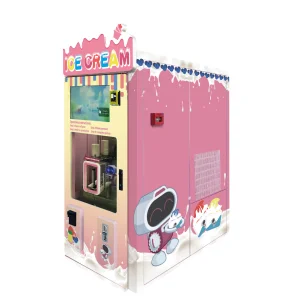
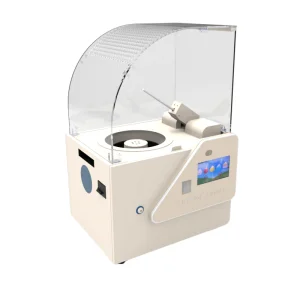
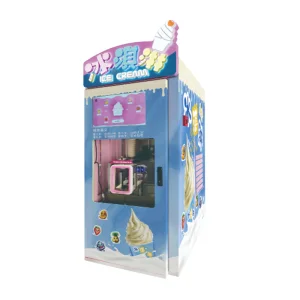
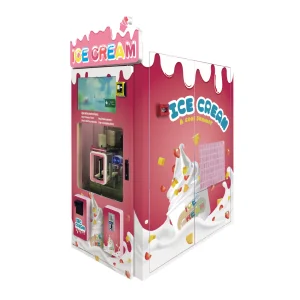
Explore our extended series of robotic food production units, semi-automatic event hardware, and heavy-duty commercial soft-serve dispensers.
Technical & procurement guidelines answered directly by our factory engineering and export operations teams.
