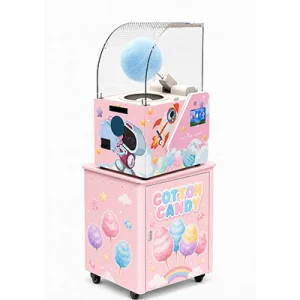
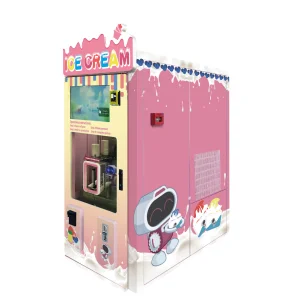
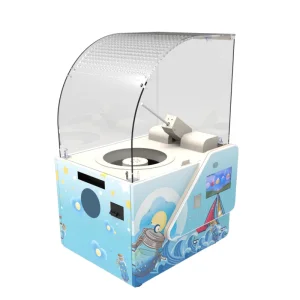
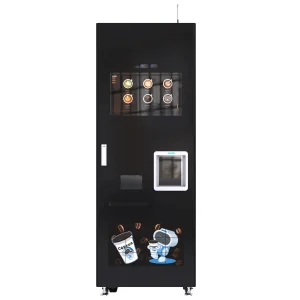
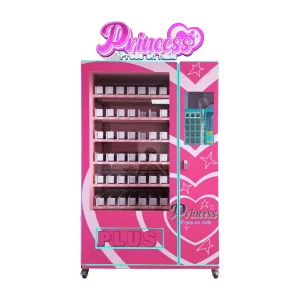
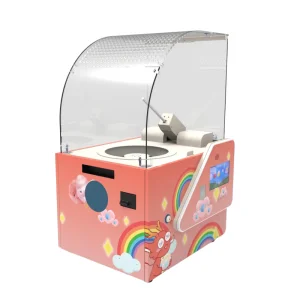
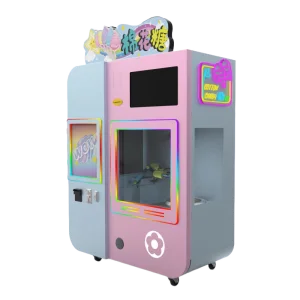
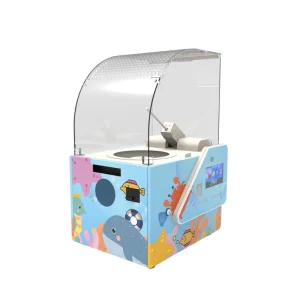
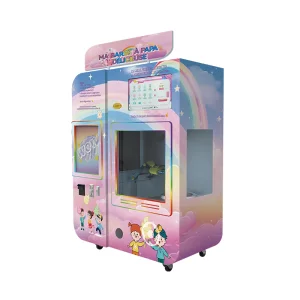
High-reliability unattended food preparation and delivery robots engineered for high-footfall commercial environments. Certified for global enterprise deployment.

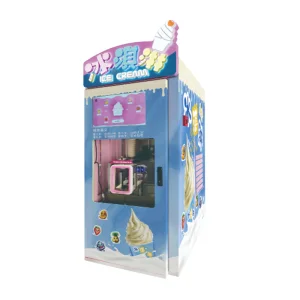
OEM 2025 Fully Automatic Ice Cream Robot SI-321 - Unmanned Soft Serve Solutions
View Architecture Specs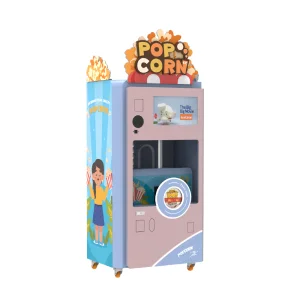
CE Certification Commercial Automatic Popcorn Vending Robot (24/7 Unattended)
View Architecture Specs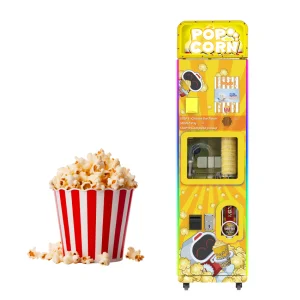
Custom Latest Fully Automatic Popcorn Robot Commercial Coin-Operated Vending Unit
View Architecture SpecsThe global commercial vending and transporting equipment sector is undergoing a structural evolution driven by rising labor costs, real estate optimization requirements, and consumer demand for instant, frictionless transactional experiences. Modern Wholesale Transporting Vending Machines Manufacturers are transitioning from simple mechanical cabinet assembly to high-precision robotic integrations, edge-computing IoT hardware, and self-diagnostic automated internal transport channels.
According to recent industry benchmarks, the global unattended automated retail market is projected to expand at a CAGR of 16.8% through 2030. Equipment buyers—ranging from multinational venue concessionaires to specialized vending fleet operators—are requiring machinery that combines multi-axis robotic manipulation, real-time telemetry monitoring, thermal control stability, and multi-currency payment system compliance.
An in-depth look at the internal mechanical systems, robotic kinematics, thermal containment, and cloud telemetry protocols engineered by top-tier original manufacturers.
Integrating 3-axis to 6-axis industrial robotic arms and Cartesian gantries equipped with closed-loop stepper servo motors. Ensures precision dispensing of delicate products such as soft-serve ice cream, freshly spun cotton candy, and hot beverages without mechanical jamming.
Dual-zone climate control systems capable of maintaining sub-zero freeze states (-18°C) alongside high-temperature culinary modules. Built-in UV-C sterilization chambers and automatic Clean-in-Place (CIP) fluid loops comply with stringent international NSF and HACCP food safety standards.
Embedded Linux/Android motherboard platforms connected via encrypted MQTT/HTTPS cellular pipelines. Operational teams monitor real-time stock levels, machine diagnostics, revenue metrics, and remote firmware-over-the-air (FOTA) updates directly through a central cloud matrix.
From high-density indoor entertainment hubs to autonomous outdoor transit nodes, discover how specialized transporting vending machines drive revenue for global business operators.
| Commercial Venue Sector | Recommended Equipment Platform | Operational Objective & ROI Driver | Key Hardware Customizations |
|---|---|---|---|
| Theme Parks & Destination Resorts | Robotic Soft-Serve & Cotton Candy Units | High peak-hour throughput; visual attraction effect driving impulse purchase conversions. | Custom exterior LED wraps, dynamic audio modules, weatherized IP54 enclosures. |
| Transit Hubs (Airports/Train Terminals) | SF308 Coffee & Hot Beverage Stations | 24/7 continuous operational uptime without staffing overhead during off-peak hours. | Nayax credit card reader, bill/coin acceptors, multi-language UI localization. |
| Shopping Malls & Arcade Centers | Automated Popcorn Robots & Confectionery Units | Monetizing underutilized corridor footprint with high-margin snack items. | Touchscreen order interfaces, telemetry auto-alerts, contactless QR payment gates. |
| Corporate Headquarters & Campuses | Freshly Ground Coffee & Snack Transport Vending | Enhancing employee amenities while reducing cafeteria facility operational expenses. | Employee badge RFID reader integration, cloud telemetry inventory dashboards. |
Securing long-term profitability requires equipment that strictly adheres to regional regulatory frameworks and incorporates local payment interfaces.
Procuring equipment from leading wholesale manufacturers ensures seamless market penetration. Original equipment manufacturers offer complete customization covering voltage compatibility (110V/60Hz to 240V/50Hz), local plug configurations, custom graphic vinyl wraps, and pre-installed payment hardware configurations (including Nayax, Payter, CPI, and local QR wallet APIs).
Specialized vending units engineered for specialized retail products, customized OEM branding, and industrial volume automation lines.
A clear financial comparison illustrating why automated robotic vending platforms outperform traditional retail storefronts.
Examining next-generation innovations under development by top equipment manufacturers.
Integrating optical AI cameras inside dispense chambers to visually verify product shape, topping distribution, and consistency prior to customer pickup, ensuring zero defective dispenses.
Machine-learning models analyzing motor current draw, compressor thermal telemetry, and mechanical vibration to automatically dispatch maintenance crews before component failure occurs.
Cloud management systems automatically adjusting price points based on real-time footfall density, local weather conditions, time of day, and inventory expiration timelines.
Answers to essential technical, logistics, and operational queries from global vending machine buyers and commercial fleet managers.
A transporting vending machine combines traditional automated self-service retail with internal mechanical transport mechanisms (such as 3-axis Cartesian gantries, robotic arms, or conveyor channels). These systems maneuver ingredients, cups, or products safely between internal storage zones, processing heads, and the final customer pickup chamber.
Leading manufacturers design equipment to meet specific international electrical and food hygiene standards. Essential export certifications include CE, RoHS, and CB for European markets, as well as ETL, UL, and NAMA certifications for North American deployments. Always request factory test reports prior to placing bulk orders.
Modern machines support standard MDB (Multi-Drop Bus) protocols, enabling plug-and-play integration with major payment hardware such as Nayax, Payter, and CPI. They support credit/debit card swipe and contactless NFC (Apple Pay, Google Pay), bill acceptors, coin mechanisms, and local QR-code mobile wallets.
Automated food dispensing robots feature integrated CIP (Clean-In-Place) or automated high-temperature wash cycles. Field operators typically perform physical restocking, wipe-downs, and waste bin emptying every 2 to 4 days, depending on transaction volume.
Yes. Fleet operators access a cloud-based IoT management dashboard to view real-time sales metrics, inventory alerts, internal temperatures, and mechanical status. Remote FOTA (Firmware-Over-The-Air) updates allow seamless software deployments across entire global machine networks.