Factory-direct autonomous food and snack robotics engineered for high-margin, unattended retail operations worldwide.

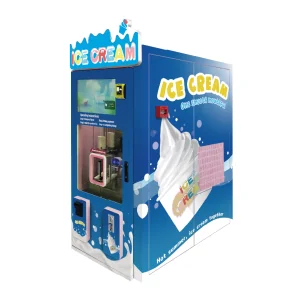
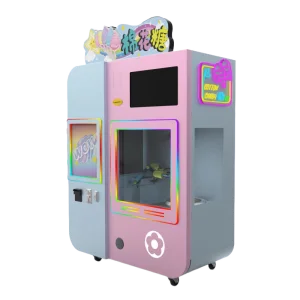
How structural shifts in labor markets and experiential retail drive unprecedented ROI in fully automated cotton candy vending systems.
The global automated retail and smart vending machine market is experiencing a profound paradigm shift. Enterprise operators, theme park concessionaires, shopping mall management groups, and vending investors are increasingly seeking high-yield, low-maintenance hardware assets. Among food robotics platforms, the wholesale fully automatic cotton candy machine has emerged as one of the single most profitable capital investments in commercial real estate and entertainment venues.
Traditional cotton candy preparation required manual sugar pouring, skilled human spinning, direct supervision, and significant hygiene oversight. Today's industrial-grade fully automatic cotton candy robots replace human intervention entirely with high-precision internal robotic arms, dynamic multi-axis heating elements, automated paper stick dispensers, and cloud-connected telemetry systems. By eliminating dedicated staffing costs, commercial operators can achieve unprecedented unit-economics where raw material costs (sugar, paper sticks, food coloring) represent under 10% to 12% of retail end-price revenue.
From a global procurement standpoint, enterprise buyers evaluating cotton candy machine price tiers must navigate complex variables beyond initial FOB machinery cost: structural durability, atomization head metallurgy, climate-control/dehumidification performance, payment system gateway compatibility, and long-term OEM engineering support. This comprehensive whitepaper serves as an authoritative B2B procurement guide for multi-unit operators and international distributors.
Evaluating the core engineering components that determine OEM/Wholesale pricing versus cheap low-tier commercial units.
Low-cost machines utilize basic aluminum burners prone to sugar carbonization and rapid burnouts. OEM-grade commercial machines integrate heavy-duty pure copper or food-grade ceramic heating heads with dynamic PID thermal regulation, preventing sugar clogging and ensuring 24/7 continuous operation.
Wholesale prices vary based on robotic dexterity. Premium machines feature 4-axis or 6-axis linear servo gantries that execute complex 3D sugar flowers, layered hearts, and multi-color clouds in under 90 seconds, driving premium retail price points ($5.00 to $10.00 per unit).
Sugar is extremely hygroscopic. High-end equipment incorporates integrated closed-loop air conditioning and moisture extraction systems. This prevents sugar clump formation in humid environments like theme parks or coastal malls, drastically reducing field maintenance calls.
| Equipment Tier / Model Grade | Est. Wholesale Price (FOB) | Target Location Type | Avg. Daily Sales (Vends) | Est. Monthly Gross Profit | Payback Period |
|---|---|---|---|---|---|
| Entry Semi-Automatic / Compact | $1,800 - $3,200 | Small Events, KTV, Local Venues | 35 - 50 units | $2,500 - $3,800 | 1.5 to 2.5 Months |
| Standard Fully Automatic Robot (SC-221) | $4,500 - $6,800 | Shopping Malls, Cinema Lobbies | 60 - 90 units | $5,400 - $8,100 | 2.5 to 4.0 Months |
| Flagship Smart Touch Robot (SC-320) | $7,200 - $11,500 | Theme Parks, FECs, Transit Hubs | 120 - 200+ units | $12,000 - $21,000 | 2.0 to 3.5 Months |
Behind the steel chassis: The high-precision hardware systems enabling reliable, unattended commercial production.
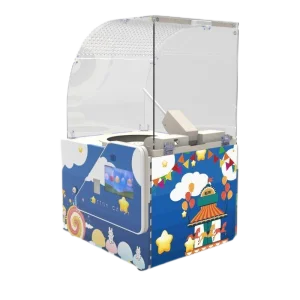
Building an industrial vending machine capable of operating 24 hours a day without human oversight requires strict engineering standards. Unlike kitchen countertop appliances, commercial fully automatic cotton candy machines are heavy-duty industrial mechatronic platforms built with food-grade SUS304 stainless steel, tempered safety glass, and industrial-grade Programmable Logic Controllers (PLCs).
One of the most common failure points in early-generation vending machines was stick dispensing jams. Modern machines engineered by leading source manufacturers utilize high-torque stepper motors paired with optical infrared sensors. The machine checks stick alignment before initiating sugar spinning, automatically retrying or notifying the cloud telemetry board if a dispenser blockage is detected.
To create vibrant 3D cotton candy shapes (such as 4-color flowers, hearts, and clouds), equipment relies on individual pneumatic solenoid valves for distinct sugar canisters (typically supporting blue raspberry, strawberry, banana, and green apple food-safe sugars). Dynamic voltage control adjusts the rotational speed of the heating head up to 4,000 RPM while adjusting temperature within ±0.5°C tolerance, creating fine sugar filaments that stick flawlessly to the rotating stick.
Food safety compliance is essential for high-footfall commercial placement. Modern OEM platforms feature automated high-temperature water jet spray nozzles that clean the spinning bowl and burner head after set vending cycles or during off-peak night hours. Wastewater is collected into a sealed internal drainage container equipped with float-level overflow sensors.
Seamlessly connecting machines to international telemetry networks and local safety standards.
Exporting equipment across North America, Europe, Asia-Pacific, and the Middle East requires rigorous certification compliance. Machines must hold CE, ETL, cETL, NAMA, PSE, and RoHS documentation to satisfy local health inspectors, fire marshals, and commercial landlord insurance requirements.
Modern vending platforms use standard MDB (Multi-Drop Bus) protocol interfaces compatible with Nayax, Ingenico, Payter, CPI, and local QR-code digital wallets (Alipay, WeChat Pay, KakaoPay, Paytm). Integrated 4G LTE IoT SIM modules provide real-time sales reporting to mobile apps.
Direct source factories configure transformers and internal circuitry during production to match target country power grids: 110V/60Hz (USA/Canada/Japan) or 220-240V/50Hz (Europe/Middle East/Australia/Asia), preventing field electrical failures.
Why working directly with an established engineering manufacturer ensures long-term operational success.
When sourcing commercial vending equipment from China or international suppliers, wholesale buyers often encounter trading companies posing as direct factories. Buying from trading intermediaries introduces operational risks: lack of direct engineering support, inability to supply core replacement parts 3 to 5 years post-purchase, uncalibrated software code, and inflated markup prices.
A true direct manufacturer (such as Guangzhou Seven Cloud Technology Co., Ltd.) maintains dedicated sheet-metal fabrication workshops, internal software development teams, 11-step quality assurance procedures, and continuous 24-hour burn-in testing bays. Direct factory partnerships unlock comprehensive OEM/ODM customization capabilities:
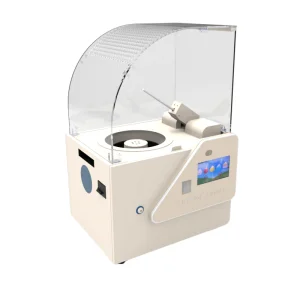
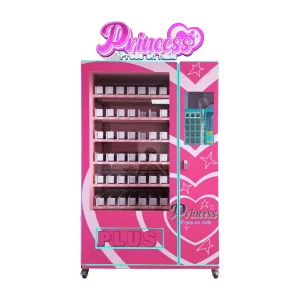
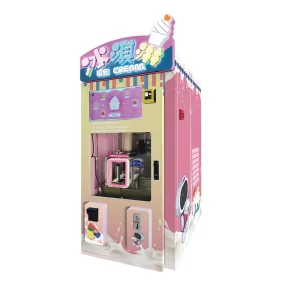
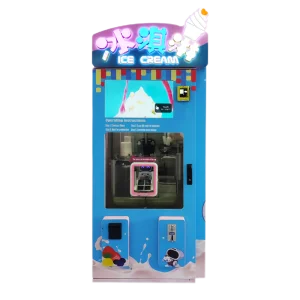
Explore additional automated cotton candy machines, robot soft-serve ice cream stations, and commercial snack solutions.
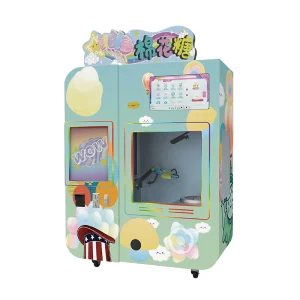
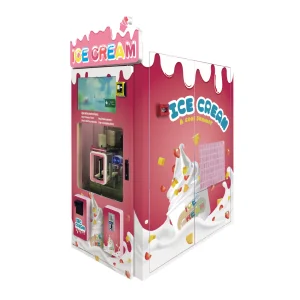

Technical, operational, and commercial insights answered directly by our senior engineering team.
