Explore high-ROI automated food & beverage robots designed for maximum operational uptime.
The global automated retail landscape is undergoing an unprecedented structural transformation. Driven by accelerating labor costs, shifts in urban foot-traffic dynamics, and rapid developments in artificial intelligence, robotics, and Internet of Things (IoT) architecture, original equipment manufacturers (OEMs) and original design manufacturers (ODMs) occupy a vital central position in this modern commerce revolution.
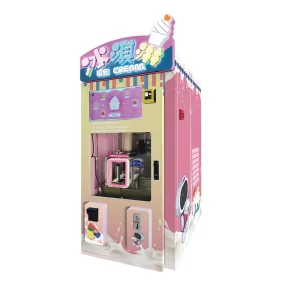
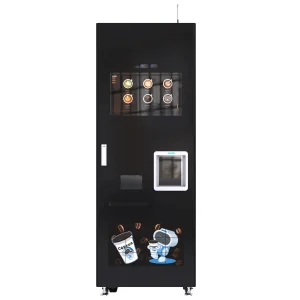
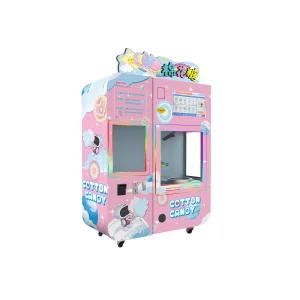
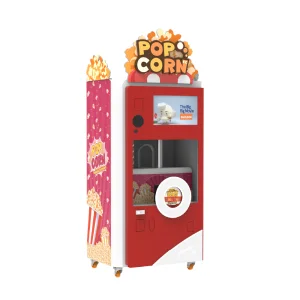
Historically constrained to simple, mechanical drop-shelf vending hardware dispensing pre-packaged ambient items, the contemporary vending ecosystem now encompasses high-precision robotic preparation units. Modern machines deliver customized soft-serve ice cream, freshly spun multi-patterned cotton candy, bean-to-cup specialty coffees, fresh popcorn, and specialized beauty products. Industry intelligence indicates that the worldwide smart vending machine market, valued at approximately USD 22.4 Billion in 2023, is projected to expand at a compound annual growth rate (CAGR) exceeding 12.8% through 2032.
This structural surge is propelled by enterprise operators shifting from legacy models toward specialized OEM partnerships. By utilizing direct factory custom design, modular hardware architectures, and cloud-integrated telemetry platforms, global distributors can deploy specialized revenue-generating nodes in diverse high-density footprint locations worldwide.
Four technological pillars defining next-generation unattended commercial equipment.
Transitioning from basic linear actuators to multi-axis industrial robotic arms. Modern cotton candy and ice cream vending machines leverage high-resolution closed-loop stepper motors and sub-millimeter servo actuators to execute intricate visual syrup designs and multi-layered confection flower shapes automatically.
Edge-computing modules integrated directly into mainboards connect machines real-time via 4G/5G networks. Fleet operators monitor component temperatures, raw material inventory levels, syrup pump pressures, and instant revenue statistics via centralized cloud dashboards or mobile applications.
Compliance with Multi-Drop Bus (MDB) protocol allows seamless hardware plugin compatibility across global payment ecosystems. Machines support credit card swipe readers (Nayax, Ingenico), contact-less NFC (Apple Pay, Google Pay), cash bill acceptors, local QR payment APIs (WeChat Pay, Alipay, KakaoPay), and mobile closed-loop loyalty applications.
In fresh food preparation—specifically soft-serve ice cream and hot beverages—hygiene compliance is paramount. Advanced thermal treatment, CIP (Clean-In-Place) automated water flushing cycles, and hermetically sealed food-grade stainless steel storage hoppers ensure strict international health authority compliance (NSF, CE, ETL).
Why global enterprise procurement directors choose Guangzhou source manufacturers for custom equipment deployment.
In the high-precision equipment manufacturing space, location synergy plays a defining role in operational success. Guangzhou, China—particularly districts like Panyu—serves as the primary global hub for smart automated commercial robotics manufacturing. This industrial concentration yields significant, quantifiable benefits for global buyers:
Within a 30-kilometer radius, industrial plants source high-grade sheet metal, precision CNC-machined components, custom peristaltic pumps, food-grade silicone tubing, touchscreens, and PCB microcontrollers. This localized network slashes procurement lead times from months to days.
In-house structural engineering teams quickly turn CAD designs into physical, functional metal prototypes. Custom OEM modifications—ranging from exterior brand cabinetry adjustments to unique internal ingredient dispensing mechanics—can be executed and tested within 10 to 14 days.
Every production run follows strict factory testing protocols. Before packing, units undergo a continuous 24-hour electrical burn-in, vibration stress simulations, temperature stability testing, and an uninterrupted 200-cycle continuous dispensing trial.
| Evaluation Parameter | Guangzhou OEM Direct Factory | Overseas Regional Assemblers | Trading Agent Middlemen |
|---|---|---|---|
| Prototyping Lead Time | 10 - 15 Days | 45 - 60 Days | 30 - 45 Days |
| Hardware & Firmware Customization | Full Direct Structural/API Access | Limited Component Sourcing | Re-branded Standard Units Only |
| Cost Efficiency / Margin Yield | Optimal Factory Direct Pricing | High Overhead Markup (+40-60%) | Intermediary Margin Markup (+25-35%) |
| Quality Control Protocol | 11-Step QC + 24hr Continuous Test | Sample Spot Checks | Visual Inspection Only |
| Spare Parts Availability | Direct Engineering Factory Stock | Long Import Lead Times | Third-party Sourcing Delays |
Strategic site placement strategies for maximum foot-traffic conversion and yield.
Key Driver: High volume of families and children seeking experiential visual entertainment.
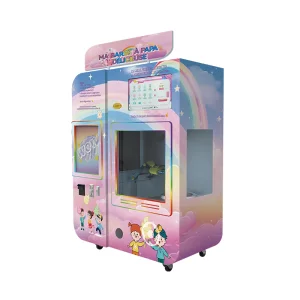
Best Machine: Automated Flower Pattern Cotton Candy Robots & Soft-Serve Ice Cream Units.
Operational Yield: Visual spinning mechanisms act as an organic marketing attraction, driving impulse buying rates above 18% among nearby foot traffic.
Key Driver: Steady indoor foot traffic, weekend peaks, and extended dwell time.
Best Machine: Robotic Ice Cream SI-321 & Gourmet Popcorn P30.
Operational Yield: Compact footprints (under 1.5 sq. meters) allow operators to lease high-traffic retail corridor space at modest overhead while capturing premium margins.
Key Driver: 24/7 continuous passenger flow, high urgency, and preference for cashless automated transactions.
Best Machine: Freshly Ground SF308 Coffee Machines & Packaged Snack Vending.
Operational Yield: High average customer spend with constant day-and-night sales cycles.
Advanced hardware configurations built for global export compliance and high profitability.
Key requirements procurement managers must verify before finalizing OEM manufacturing agreements.
Vending equipment deployed in European and North American jurisdictions must carry certified compliance documents. Ensure your manufacturing partner provides authentic test certificates:
For machines handling dairy mixes, liquid syrups, sugar, or coffee beans, all internal contact components must be certified food-grade. Request documented verification for:
Detailed technical and operational answers for commercial equipment buyers.
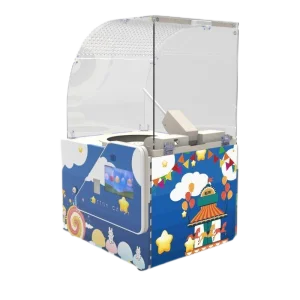
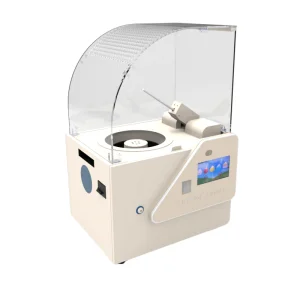
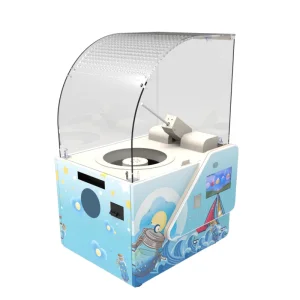
Guangzhou source factories specialize in fully automated robotic food and beverage vending machinery. Key product categories include fully automatic multi-pattern cotton candy vending robots, robotic soft-serve ice cream machines, sugar/oil-free popcorn vending units (P10/P30 platforms), bean-to-cup commercial coffee systems, semi-automatic cotton candy floss units, canned cotton candy industrial sealing lines, and custom smart non-food retail lockers (such as cosmetic/makeup vending systems).
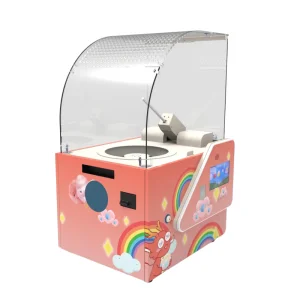
The machine uses an integrated multi-axis robotic arm paired with precision heating burners and calibrated sugar dispensing nozzles. Upon transaction authorization via touchscreen or card terminal, the central processing unit regulates burner temperature and air blower velocity while the robotic arm rotates paper sticks in mathematically pre-programmed geometric paths. This yields consistent, colorful 3D flower and animal patterns automatically within 60 to 90 seconds per serving.
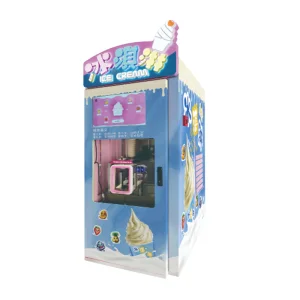
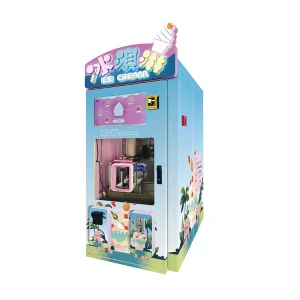
Modern commercial ice cream vending machines feature automated pasteurization or clean-in-place (CIP) rinsing systems. Liquid dairy mix is maintained in refrigerated hoppers equipped with low-level sensor alerts. The operator simply fills the hopper with fresh liquid mix every 2 to 3 days (depending on foot-traffic consumption), empties the waste water collection tray, and executes an automated 15-minute thermal cleaning sequence directly through the machine UI touchscreen.
Integrated IoT telemetry eliminates arbitrary field maintenance visits. Operators track real-time sales revenue, inventory depletion percentages (sugar weight, cup count, coffee bean levels), internal cabinet temperatures, and system fault diagnostic codes directly via a web browser or smartphone dashboard. Restocking technicians are dispatched only when specific inventory thresholds are triggered, reducing labor operational overhead by up to 60%.
Yes. All OEM machine mainboards comply with standard MDB (Multi-Drop Bus) and DEX communications protocols. The factory pre-configures hardware card payment terminals (e.g., Nayax, Payter, Ingenico), cash bill validators, coin acceptors, or custom software API integrations for localized mobile wallets (Apple Pay, Google Pay, WeChat Pay, KakaoPay) prior to international export packaging.
As a direct source manufacturer, equipment is engineered to customer specifications. Machines can be built for 110V/60Hz (North American standards) or 220V-240V/50Hz (European, Asian, and Australian standards). Plug configurations—including US 3-pin, European Schuko, UK 3-pin, or Australian standard plugs—are installed and verified during final factory testing.
Because automated dessert robots command high retail price points per unit ($4.00 to $7.00 USD) relative to raw material unit costs ($0.20 to $0.50 USD for sugar, sticks, or dairy mix), gross profit margins typically exceed 85-90%. Placed in high-footfall locations (malls, theme parks, family entertainment centers averaging 30-50 sales daily), operators generally recover full capital equipment costs within 3 to 6 months.
Depending on model selection and destination port regulations, equipment is supplied with CE (LVD & EMC), ETL, NAMA, RoHS, PSE, and CB documentation. Certificates are validated during the factory ordering phase to ensure smooth customs clearance and local regulatory compliance.
OEM/ODM customization options include complete exterior cabinet vinyl wrapping, custom LED illumination color schemes, localized touchscreen user interface (UI) translation, custom physical dimensions, unique product dispensing mechanisms, corporate boot-screen branding, and dedicated API telemetry integration into proprietary enterprise software.
Factories provide comprehensive 12-to-24-month hardware warranties on core mechanical components. Technical support is delivered via online video diagnostics, step-by-step engineering maintenance videos, and dedicated technical support chat groups. Replacement modular components (pumps, mainboards, power supplies, motors) are dispatched internationally via express air freight to minimize unit downtime.