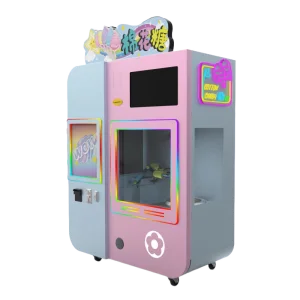
Factory-direct OEM/ODM automated vending systems engineered with precision pasteurization, multi-axis robotics, and cloud telemetry.

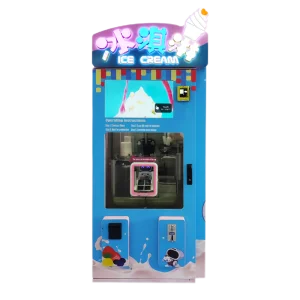
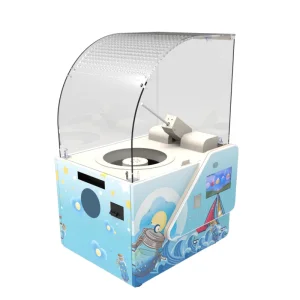
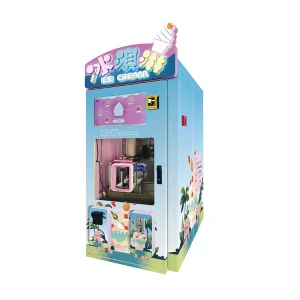

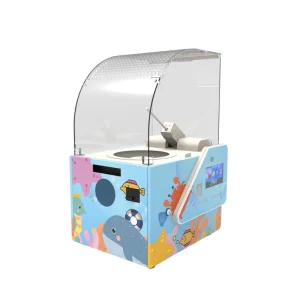
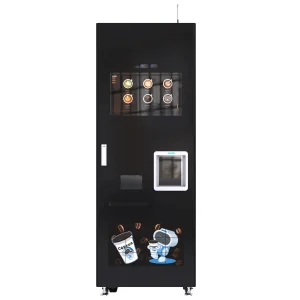
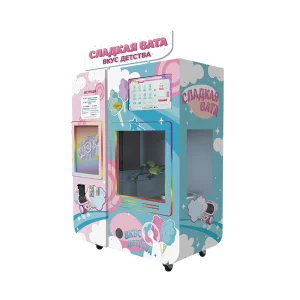
The commercial frozen dessert industry is undergoing a structural paradigm shift. Escalating retail labor expenses, strict regional sanitation mandates, and changing consumer behavior toward contact-free micro-retail have accelerated demand for intelligent, fully automated soft serve ice cream vending machines globally.
Traditional brick-and-mortar ice cream shops operate with high overhead, burdened by shift scheduling, continuous manual cleaning, and human variance in portion control. OEM automatic soft serve vending robots eliminate counter personnel entirely, reducing direct labor overhead to zero while maintaining round-the-clock availability across high-footfall venues.
Food safety remains the primary operational vulnerability in soft-serve dispensing. Modern OEM manufacturers integrate closed-loop pasteurization, automated CIP (Clean-In-Place) wash systems, and sealed stainless steel hopper chambers that prevent environmental cross-contamination and satisfy rigorous international food safety frameworks.
Smart vending machines serve as intelligent edge data nodes. Embedded IoT controllers transmit real-time telemetry regarding liquid mix levels, hopper temperature dynamics, dispensing cycle counts, compressor status, and sales analytics to remote cloud management dashboards for optimized route-servicing.
A commercial-grade automatic soft serve ice cream vending machine requires an integrated harmony of thermodynamics, pneumatic dosing, robotic motion, and micro-controller software. Below is an engineering analysis of key subsytems manufactured by tier-1 OEM factories.
Commercial soft-serve ice cream vending machines utilize independent dual-refrigeration circuits: one dedicated to maintaining the liquid mix hopper between 2°C and 4°C, and a high-capacity primary circuit driving the freezing cylinder.
Overrun—the percentage expansion of ice cream created by injecting air into the liquid mix—directly governs textural creaminess, melting rate, and profit margin per liter of raw mix.
Closed-loop transaction process from user interaction to mechanical serving and data sync.
Touchscreen selection & MDB cashless auth (Card / QR / NFC)
Pneumatic or mechanical cup drop arm isolates single paper/plastic cup
3-Axis robotic arm rotates cup under nozzle to build uniform soft-serve swirl
Precision liquid/dry topping drop, window shutter opens for customer pickup
Transaction logged, stock deducted, thermal telemetry sent to server
| Engineering Metric / Specification | Standard Gravity-Fed Vending Unit | OEM Industrial Robotic Soft-Serve Unit (SI-320 Series) |
|---|---|---|
| Overrun Expansion Rate | 20% – 35% (Gravity Feed) | 50% – 85% (Adjustable Air-Pump System) |
| Pasteurization Interval | Requires daily or 3-day manual teardown | 14-Day Heat Treatment Auto-Pasteurization |
| Dispensing Kinematics | Static mechanical drop valve | 3-Axis Servo-Articulated Swirling Robotic Arm |
| Hopper Capacity | 2x 6.5 Liters | 2x 10.0 Liters + Dual Independent Pre-Cooling |
| Payment System Support | Basic Coin / Bill Acceptor only | Universal MDB / DEX, Nayax, Ingenico, QR, NFC |
| Telemetry Protocol | Offline / Local Diagnostic Screen | 4G/Wi-Fi Edge IoT Cloud Dashboard & API Integration |
As a source manufacturer operating an 11,000 m² standardized industrial facility in Guangzhou, China, SevenCloud delivers deep white-label equipment customization for global vending operators, ice cream brands, and master distributors.
Full mechanical redesign services. High-precision fiber laser cutting and CNC bending allow custom cabinet dimensions, branded vinyl wraps, integrated LED light boxes, and vandal-resistant tempered glass display windows.
Custom Android-based GUI development. Touchscreen interfaces can be localized into over 30 languages with custom brand colors, promotional video screensavers, bespoke menu pricing structures, and loyalty program software integration.
Every soft-serve vending machine undergoes an 11-step factory test regimen, including a 24-hour continuous burn-in cycle, 200 consecutive dispense pressure checks, electrical safety grounding testing, and transport vibration simulation.
Deploying unattended food preparation robotics in North America, the European Union, East Asia, and the Middle East requires adherence to stringent national safety certifications and sanitary codes.
Unattended dairy dispensing equipment must conform to strict microbiological growth prevention criteria.
Universal grid adaptability and electromagnetic interference shield verification for seamless international customs clearance.
Location selection dictates financial payback velocity. Autonomous soft serve ice cream vending machines thrive in locations characterized by steady foot traffic, extended dwell times, and impulse purchasing habits.
Positioned near food courts, indoor playgrounds, or main corridors. High footfall during weekends provides constant high-margin impulse purchases with minimal floor footprint (<1.5 m²).
High family concentration and outdoor heat drive peak volume. The visual entertainment value of the robotic dispensing process increases conversion rates among queuing children.
24/7 operating windows cater to late-night travelers when traditional concessions are closed. Touchless payment options accommodate international passengers seamlessly.
| Operating Metric (Standard Mall Location) | Estimated Values (USD) |
|---|---|
| Average Retail Selling Price per Cone / Cup | $4.00 – $5.50 |
| Direct Raw Material Cost (Mix + Cone/Cup + Topping) | $0.55 – $0.80 |
| Gross Margin per Unit Sold | 84% – 86% |
| Daily Dispense Volume (Average Location) | 70 Cones / Day |
| Monthly Gross Profit (30 Days) | $7,245.00 |
| Less: Space Rent + Electricity + Telemetry SIM | -$1,200.00 |
| Estimated Monthly Net Operating Income (NOI) | $6,045.00 / month |
| Estimated Hardware CAPEX Payback Period | 2.5 to 4.5 Months |
Next-generation R&D is focused on converting automated food dispensers into fully autonomous cognitive retail hubs capable of self-diagnosis, dynamic pricing optimization, and hyper-personalized visual dessert assembly.
High-speed camera modules inside the dispensing bay inspect cone alignment, swirl shape uniformity, and drip cleanliness in real-time, auto-rejecting imperfect serves before delivery.
Machine learning models analyze compressor vibration patterns, current draw variations, and valve actuation pressure to schedule preventative component swaps prior to operational failure.
Advanced multi-barrel extrusion nozzles dynamically blend liquid colorings and natural fruit purées during the swirl movement, producing customizable multi-color edible art designs.
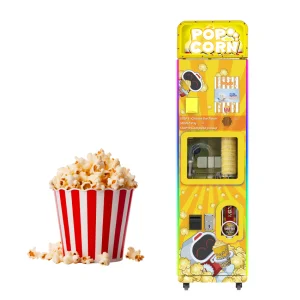
Select from our comprehensive line of smart food vending machinery, fully adaptable for global distribution.
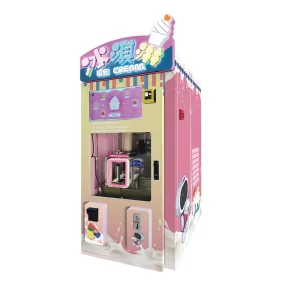
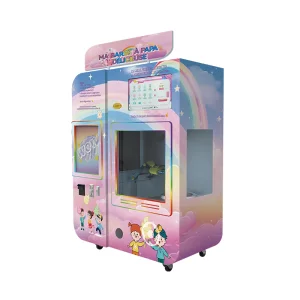

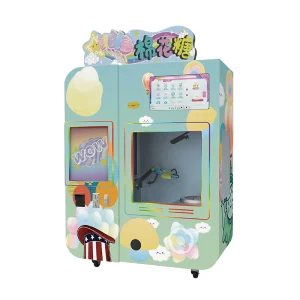
Detailed answers prepared by SevenCloud's senior R&D engineers to assist importers, OEM partners, and fleet procurement managers.