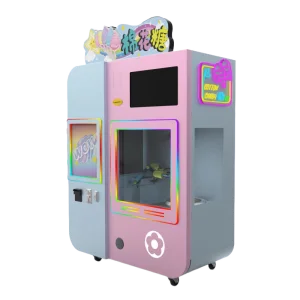
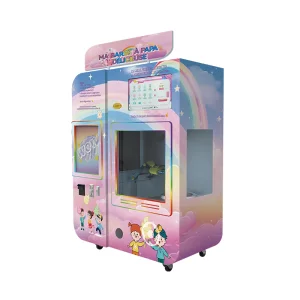
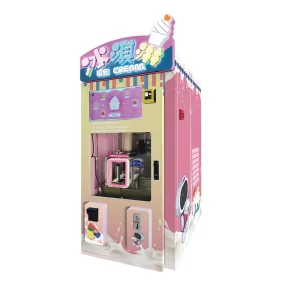
Factory-direct commercial solutions engineered for high operational uptime and optimal ROI.
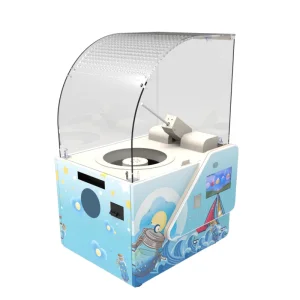
Understanding the shift from traditional ambient vending to automated, freshly prepared micro-retail solutions.
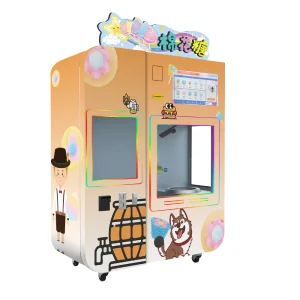
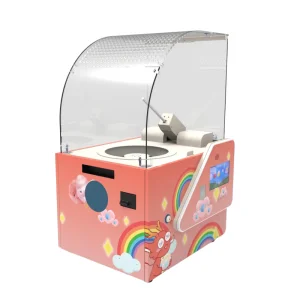
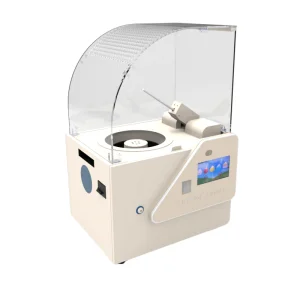
Legacy vending units distributing pre-packaged beverages and snacks typically operate on slim gross profit margins ranging from 35% to 48%. High overheads, logistics for heavy product restocking, and low price elasticities restrict operator profitability. Conversely, robotic and ODM specialty vending equipment (e.g., automated cotton candy, soft-serve ice cream, freshly brewed bean-to-cup coffee) generate gross profit margins exceeding 75% to 92%, driven by low Cost of Goods Sold (COGS) relative to high consumer perceived value.
By bypassing standard intermediary markups and engaging directly with an Original Design Manufacturer (ODM) like Guangzhou Seven Cloud Technology Co., Ltd. (SevenCloud), enterprise fleet operators eliminate a 20% to 35% distributor margin. ODM customization allows operators to engineer structural components, optimize electrical footprints for local power standards, and integrate modular telemetry directly at the factory level, optimizing both CAPEX and long-term OPEX.
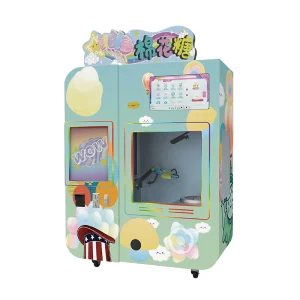
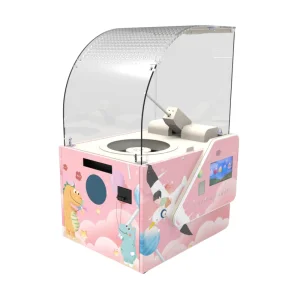
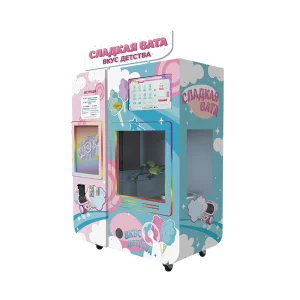
Consumer behavior in high-footfall venues (shopping malls, theme parks, family entertainment centers) favors interactive, experience-driven automated retail. Machines that provide a visual preparation routine—such as multi-axis robotic arms forming flower-shaped cotton candy or automated soft-serve dispensing—act as point-of-sale entertainment, capturing premium pricing while maintaining fully automated, unstaffed operations.
| Vending Machine Category | Avg. Selling Price (Retail) | Estimated Raw Material COGS | Gross Margin % | Est. Daily Units Sold | Avg. Monthly Payback (CAPEX) |
|---|---|---|---|---|---|
| Automated Cotton Candy (Robotic) | $4.00 - $7.00 | $0.15 - $0.35 (Sugar + Stick) | 91% - 95% | 80 - 150 units | 2.5 - 4.0 Months |
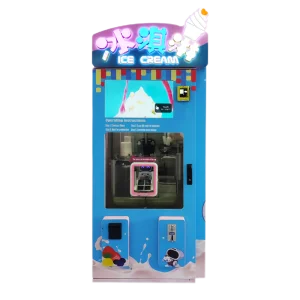
| Soft-Serve Ice Cream Robot | $3.50 - $6.00 | $0.45 - $0.75 (Mix + Cup/Cone) | 82% - 88% | 100 - 220 units | 3.5 - 5.5 Months |
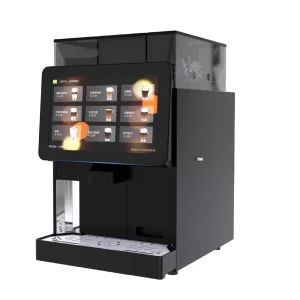
| Freshly Ground Bean-to-Cup Coffee | $3.00 - $5.50 | $0.40 - $0.65 (Beans + Cup + Milk) | 83% - 90% | 90 - 180 units | 4.0 - 6.0 Months |
| Automated Popcorn (P10 / P30) | $3.00 - $5.00 | $0.25 - $0.45 (Kernels + Box + Flavor) | 85% - 91% | 60 - 120 units | 3.0 - 5.0 Months |
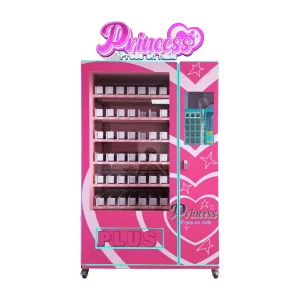
| Specialty Beauty & Makeup Retail | $12.00 - $35.00 | $3.50 - $10.50 (Packaged Goods) | 65% - 72% | 25 - 50 units | 5.0 - 8.0 Months |
How direct manufacturing collaboration enhances hardware reliability, software telemetry, and unit economics.
Factory-level ODM customization allows for modular mechanical sub-assemblies. Standardizing components across a vending fleet simplifies inventory management for spare parts, accelerates field technician repair cycles, and drastically reduces downtime—protecting revenue during peak sales periods.
Maximizing net profit margins requires continuous oversight of inventory consumption, fault diagnostics, and sales metrics. Factory-integrated IoT boards send real-time data to central management dashboards, enabling automated inventory replenishment routes and predictive maintenance alerts before failure occurs.
ODM manufacturing ensures native hardware and software integration with regional payment standards: MDB protocol compliance, Nayax, bill/coin acceptors, contactless credit card processing (EMV, Visa, Mastercard), and digital wallets (Apple Pay, Google Pay, Alipay, local QR solutions).
Custom CAD chassis design, electrical engineering, & payment module selection.
Precision laser-cut sheet metal, robotic assembly, & food-grade sanitary testing.
11-step quality assurance including 24-hour continuous operational burn-in.
Export packaging, international freight logistics, & cloud software activation.
Deploying specialized automated retail hardware across targeted real estate assets worldwide.
In high-traffic shopping centers, footfall naturally bottlenecks around central escalators, indoor playgrounds, and food courts. Deploying fully automated cotton candy robots or soft-serve ice cream units in these zones captures impulse buying decisions from families. With zero requirement for dedicated service counter staff, operators retain high net margins even after accounting for revenue-share or square-footage leasing fees to mall management.
Theme parks and FECs feature high volume density with visitors actively seeking leisure indulgences. Robotic vending hardware that creates intricate flower patterns or dispenses multi-flavored treats turns snack purchasing into a spectator event. The visual novelty justifies premium retail pricing ($6.00 – $8.00 per unit), dramatically improving daily gross revenues and shortening the payback window.
Airports, train stations, and college campuses require continuous 24-hour food and beverage availability. Compact countertop coffee machines and automated popcorn units (P10/P30 models) installed in passenger lounges or dormitory commons satisfy off-peak night traffic. Integrated cashless payment telemetry reduces cash handling costs and potential theft risks.
Strategic technological developments enhancing operating margins, security, and customer conversion rates.
Future automated retail software will leverage machine learning models to analyze real-time footfall data, ambient temperatures, and historical purchasing trends. Algorithms can automatically adjust retail pricing—offering discounts during low-traffic periods to maintain throughput, or introducing surge pricing during peak park operating hours, directly maximizing gross margins.
To reduce field labor OPEX—one of the largest operational expense categories—next-generation ODM ice cream and confectionery hardware will feature internal high-temperature automated pasteurization and Clean-In-Place (CIP) fluid loops. This technology extends required manual maintenance cycles from daily routines to bi-weekly schedules, expanding total net operating margins.
Integrating high-speed multi-axis robotic arms paired with optical computer vision sensors ensures consistent product assembly quality (e.g., verifying cotton candy shape integrity or soft-serve cone swirl structure). Defective preparations are detected in real-time before customer dispensing, eliminating waste and optimizing raw material usage.
With rising electricity costs worldwide, ODM factories are engineering ultra-low standby power refrigeration units, variable-frequency heating coils, and smart sleep modes. Reducing thermal loss and power consumption directly cuts site utility expenses, improving line-item operating profit margins.
A tactical framework for fleet operators to scale from single-unit pilots to multi-region networks.
Securing optimal real estate is critical. Successful operators structure leases using a hybrid model: a low base rent combined with a small percentage (8% - 15%) of net monthly sales. This aligns venue incentives while capping fixed site overhead during slower seasonal months.
Procuring raw ingredients (specialty coarse sugar, food-grade flavorings, custom paper sticks, syrup bases, biodegradable cups) in bulk volume directly through factory supply channels lowers per-unit COGS by up to 30%, expanding line-item profitability across multi-machine networks.
Field downtime directly degrades net profit margins. Standardizing daily automated self-cleaning routines, bi-weekly physical inspection checklists, and stocking critical wear-and-tear replacement kits at regional depots prevents minor mechanical faults from cascading into prolonged machine outages.
In-depth technical and financial inquiries answered by ODM manufacturing specialists.
Explore our complete OEM/ODM product portfolio engineered for global commercial deployment.