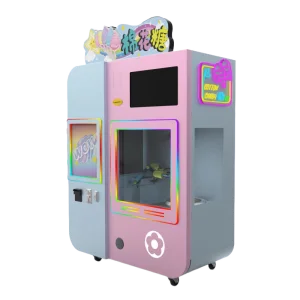
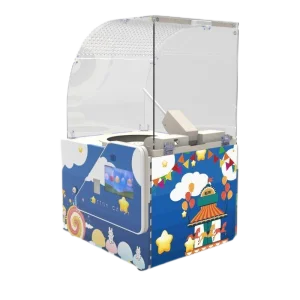
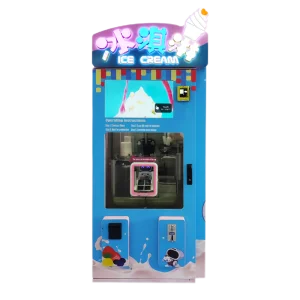
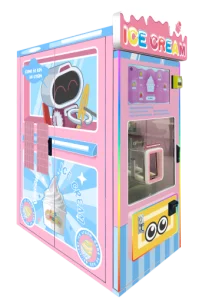
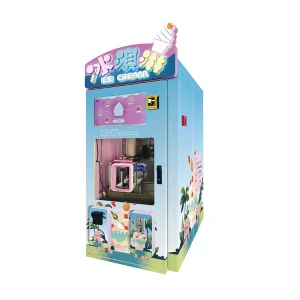
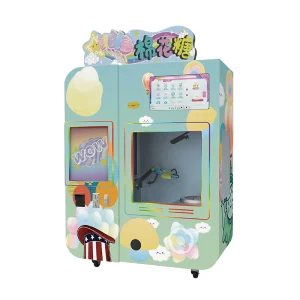
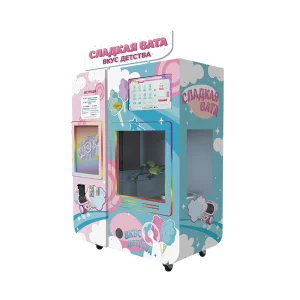
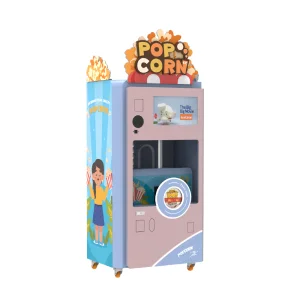
Factory-direct robotic vending solutions designed with specialized control systems, automated dispensing, and global payment compatibility.
Traditional vending equipment relied on mechanical drop switches and isolated relays. Modern self-service retail demands micro-robotic automation, real-time sensor analytics, and enterprise IoT integration.
At the core of our ODM manufacturing is our customized micro-controller unit (MCU) architecture. Featuring multi-channel pulse-width modulation (PWM) control, precision stepper motor indexing, and dedicated MDB 4.3 hardware interfaces for universal payment gateway integration.
Integrated IoT gateways connect physical machine micro-sensors directly to your central SaaS dashboard. Monitor ingredient levels, motor current draws, internal temperature dynamics, and instantaneous sales revenue with sub-second telemetry sync.
Designed specifically for dynamic concession robotics (such as cotton candy spinning and soft-serve ice cream dispensing), our controllers regulate thermal heating coils within ±0.5°C and manage pneumatic arm pressures for flawless operation.
The global automated self-service market has transitioned from static coil vending units to dynamic, interactive micro-robotic stations. As labor costs rise globally across North America, Europe, and the Asia-Pacific region, commercial real estate operators and brand franchisors are turning to fully automated retail units capable of preparing fresh food, hot beverages, and gourmet treats on demand.
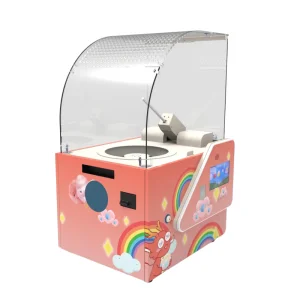
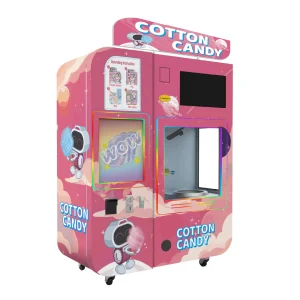
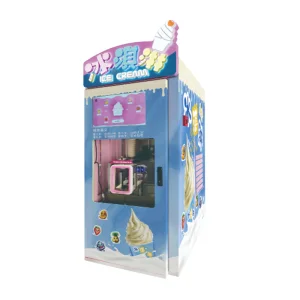
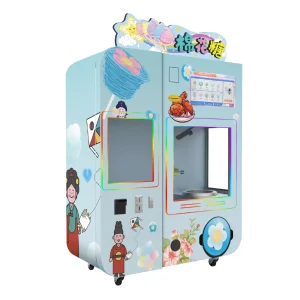
At the center of this transformation is the ODM Control Vending Machine System. Unlike traditional vending machines that simply drop pre-packaged goods, modern food-robotics vending platforms—such as automatic flower-shaped cotton candy stations, robotic soft-serve ice cream dispensers, and multi-flavor popcorn stations—require real-time closed-loop feedback systems.
Four macroeconomic and technological catalysts are driving international enterprise demand for customized control vending machine engineering:
| System Dimension | Legacy Vending Systems | Modern ODM Control Vending Architecture |
|---|---|---|
| Main Processing Unit | 8-bit Basic Microcontrollers (Isolated Functions) | 32-bit ARM Cortex Industrial MCU + Linux Edge Gateway |
| Motor & Actuator Control | Simple DC Relays & Limit Switches | Multi-Axis Closed-Loop Steppers with PWM Precision |
| Telemetry & Remote Management | None or Offline DEX Cable Extraction | Real-time 4G/5G Cloud IoT (PAMS Dashboard) |
| Temperature & Climate Control | Basic Mechanical Thermostats | PID Multi-Zone Thermal Monitoring (±0.5°C accuracy) |
| Sanitation & Maintenance | Manual Daily Disassembly & Washing | Automated High-Temp CIP & Self-Diagnostic Alerts |
When international buyers, chain entertainment operators, and commercial equipment distributors search for an ODM Control Vending Machine Factory & Service partner, their buying criteria extend far beyond initial machine price. Based on intent analysis across global B2B buyers, procurement decisions are evaluated through four core strategic pillars:
Enterprise buyers calculate Mean Time Between Failures (MTBF). An idle vending machine in a high-rent theme park costs hundreds of dollars per hour in lost revenue. Buyers require industrial-grade control boards with surge protection, solid-state relays, and modular wiring harnesses for fast plug-and-play field replacement.
Importing into Europe, North America, or Japan requires strict regulatory certifications. Factories must supply audited compliance test reports for CE, ETL, CETL, NAMA, RoHS, FCC, PSE, and KC. Control software must also incorporate electrical safety locks and automatic cut-off switches.
Large vending operators and SaaS companies often operate their own management software. They require ODM manufacturing partners that expose open RESTful APIs, MQTT messaging protocols, and Android UI source hooks to white-label the touchscreen experience.
Different global regions operate under distinct electrical grids (110V/60Hz vs 220V/50Hz), plug standards, payment gateways, and climate variations (high humidity coastal areas vs desert environments). ODM factories must adapt cabinet insulation and control systems accordingly.
The micro-fulfillment and unattended retail sectors are undergoing an unprecedented surge in engineering innovation. Over the next five years, control systems within vending robotics are trending toward three key technological breakthroughs:
Legacy automated cotton candy or popcorn machines relied entirely on open-loop timers. Next-generation ODM control architectures integrate high-resolution optical camera sensors and AI computer vision micro-chips on the edge. By monitoring real-time sugar thread web formation or popcorn kernel popping rates, the central controller automatically adjusts heater duty cycles and pneumatic blower speeds dynamically, preventing sugar scorch and eliminating product defects.
Modern control boards continuously sample operational sensor data: motor current spikes, refrigeration compressor vibration, sugar humidor humidity levels, and door hinge micro-switch cycles. Predictive algorithms flag anomalies hours before mechanical failure occurs, automatically notifying field technicians through cloud webhooks to replace wear-and-tear parts during scheduled maintenance windows.
Energy consumption is a major operational expense for refrigerated ice cream vending machines and thermal heating stations. Intelligent control firmware monitors foot-traffic patterns via micro-radar sensors. During low-traffic periods, machines enter an ultra-low-power eco-mode while maintaining strict food-safety storage temperatures, reducing energy consumption by up to 35% annually.
Guangzhou, China has established itself as the world's premier manufacturing ecosystem for high-precision smart equipment and automated commercial hardware. Our 11,000 square meter state-of-the-art facility represents the pinnacle of Industry 4.0 integration, bringing sheet metal fabrication, SMT PCB mounting, structural robotics assembly, and rigorous testing under a single roof.
High-precision fiber laser cutting, automated CNC bending, and robot-arm seam welding guarantee structural frame rigidity within ±0.1mm tolerances. Heavy-duty galvanized steel cabinets withstand high-footfall commercial abuse and external transport vibrations.
Control board assembly is executed in static-controlled cleanrooms. Automated optical inspection (AOI) and conformal coating protect control motherboards against moisture, sugar dust, and temperature fluctuations common in commercial environments.
No machine leaves our factory floor without completing our rigorous 11-step quality inspection. Every finished unit undergoes a continuous 24-hour burn-in stress test, including 200 consecutive automated dispense cycles to validate long-term mechanical reliability.
The profitability of automated control vending platforms depends on matching machine configurations to venue-specific consumer behavior. Below are key high-value location profiles engineered into our ODM controller software presets:
Requires rapid continuous dispense cycles during peak holiday rushes. Control systems utilize dual sugar-heating elements and high-capacity automatic stick dispensers, capable of producing over 40 cotton candy units per hour continuously.
High aesthetic emphasis. Requires ambient RGB lighting sequences synchronized with digital sound effects and interactive touchscreens. Control firmware integrates bill, coin, and contactless credit card reader payment towers seamlessly.
Integration with arcade card swipe systems (Intercard, Embed) via pulse interfaces or MDB protocols. Controls facilitate instant token or play-card balance deductions for freshly popped popcorn or ice cream.
Explore our expanded lineup of fully automated vending robots, semi-automatic commercial units, and industrial food manufacturing systems.
Comprehensive answers from our engineering and international export team regarding ODM control hardware, firmware customization, logistics, and compliance.