Factory-Direct ODM & OEM Smart Vending Systems Engineered for High Throughput, Unattended Reliability, and Cashless Ecosystem Integration.
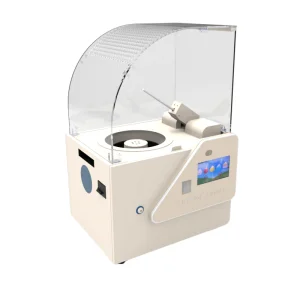
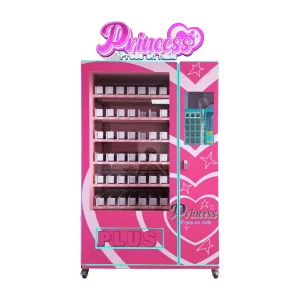
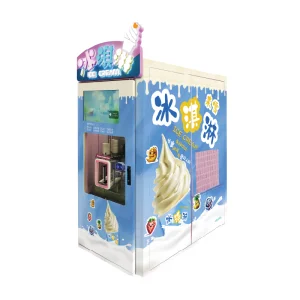
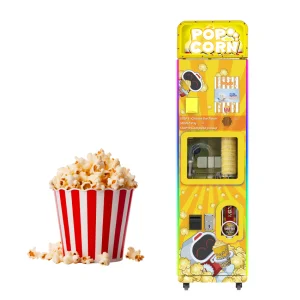
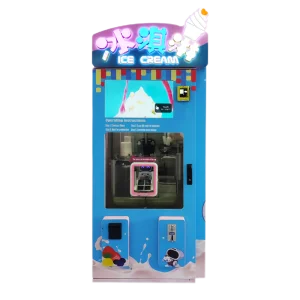
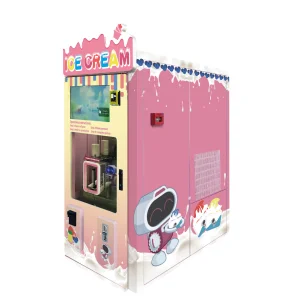
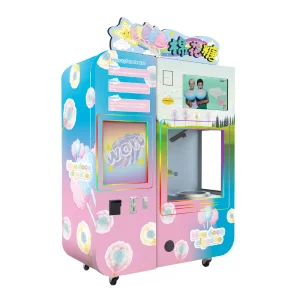
The global automated retail landscape is undergoing an unprecedented structural transition. Traditional, static glass-front vending units dispensing ambient, pre-packaged snacks are rapidly yielding market share to dynamic, robotic micro-kitchens and automated snack dispensing systems. Modern enterprise procurement teams, fleet operators, arcade conglomerates, and commercial property developers no longer seek simple machinery; they demand multi-functional, ODM (Original Design Manufacturer) automated snack vending platforms capable of real-time food preparation, theatrical consumer engagement, zero-touch hygiene compliance, and seamless cloud telemetric oversight.
This whitepaper provides an exhaustive technical and macroeconomic analysis for enterprise decision-makers evaluating ODM automated snacks vending machine suppliers and manufacturing partners. From multi-axis robotic confectionery spinning (cotton candy platforms) and cryogenic soft-serve thermal management to high-speed oil-free popcorn popping mechanisms, this document outlines the engineering benchmarks, regulatory compliance standards, total cost of ownership (TCO) models, and IoT software architectures required to deploy profitable automated vending fleets globally.
Procurement strategies within the automated self-service sector have matured. Modern institutional buyers evaluate vending hardware through the lens of operational resilience, customer footfall conversion, labor displacement efficiency, and localized regulatory adaptability. Understanding regional demand drivers is vital for procurement executives structuring bulk ODM equipment orders.
The macroeconomic catalysts driving the adoption of automatic snack and robotic dessert vending hardware vary significantly across strategic economic zones:
When modeling capital expenditure (CAPEX) versus operational expenditure (OPEX) for automated snack vending fleets, ODM direct-factory sourcing delivers substantial structural cost advantages. Sourcing directly from an established manufacturing plant eliminates 35% to 50% in middleman distribution markups while granting full control over hardware and software specifications.
Raw ingredient costs for automated food manufacturing (e.g., specialized sugar crystals, liquid ice cream mix, premium popcorn kernels) typically represent only 10%–18% of retail sales price, yielding gross profit margins exceeding 80%.
Unlike franchised food stalls requiring continuous staffing, an automated snack vending robot operates continuously 24/7/365, requiring only 15–30 minutes of daily or bi-daily cleaning and ingredient replenishment.
In locations with average daily footfall exceeding 5,000 visitors (shopping mall corridors, theme park plazas), a single machine dispensing 60–100 units/day amortizes its complete hardware acquisition cost within 90 to 180 days.
Turnkey automated vending solutions must be customized to match specific operational environments. As an ODM pioneer, manufacturing plants configure internal mechanical assemblies, exterior branding wraps, operational software, and payment acceptance interfaces based on venue deployment dynamics.
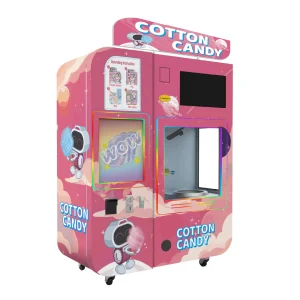
In high-density entertainment environments, transaction speed and visual spectacle govern revenue generation. Dynamic visual automated equipment—such as 3D flower-pattern cotton candy robotic arms—functions simultaneously as a point-of-sale terminal and a theatrical attraction. The visual preparation process draws crowds, boosting impulse purchase conversion rates by up to 300% compared to non-visual vending units.
Transit concessions operate under strict security, power footprint, and cleanliness mandates. Hot popcorn machines (such as oil-free hot-air popping platforms) and rapid soft-serve ice cream robots equipped with sealed, food-grade storage offer ideal high-margin, low-maintenance options. Integrated IoT cloud telemetry notifies route managers immediately regarding ingredient fill levels, enabling efficient scheduled maintenance without disrupting transit commuter corridors.
Entertainment venues thrive on high consumer dwell times and experiential spend. Multi-flavor popcorn vending units (offering up to 6 distinct sweet and savory flavor infusions) and automated soft-serve platforms provide crucial high-margin alternatives to traditional, labor-intensive concession stands, reducing venue queuing times during peak movie or weekend hours.
Successful large-scale operator deployments rely on standardizing core mechanical platforms while customizing customer-facing components. Standardized internal power distribution, universal MDB/Executive payment harnesses, and uniform sensor networks lower spare parts inventory management costs across multi-region fleets by up to 65%.
Industrial-grade automated snack vending systems represent sophisticated mechatronic engineering. Delivering reliable operation in unattended environments demands strict adherence to automotive-grade hardware standards, precise environmental thermal controls, and fault-tolerant software loops.
Multi-axis linear drives and precision stepper motors controlling sugar dispensing, spinning stick rotation, and multi-color sugar layer deposition with millimeter accuracy.
Closed-loop PID thermal controllers maintaining precise heating head temperatures for cotton candy, alongside commercial compressor systems keeping dairy mix at optimal storage levels.
Integrated Clean-In-Place (CIP) systems utilizing automated high-pressure hot water nozzles and steam cycles to sanitize dispensing tubes, mixing chambers, and mechanical claws.
Real-time cellular/WiFi cloud telemetric controller transmitting sales analytics, low-ingredient warnings, temperature logs, and instant error codes via encrypted APIs.
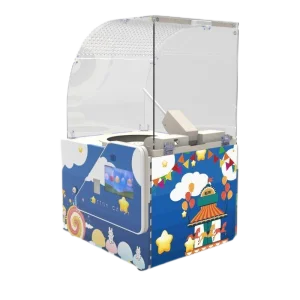
For automated cotton candy equipment, sugar atomization and filament formation require exact thermal equilibrium. Factory-level ODM engineering incorporates high-speed brushless DC motors (operating at up to 4,000 RPM) paired with ceramic heating cores. Automated high-precision water atomizer nozzles maintain optimal ambient bowl humidity, preventing sugar crystallizing or sticking to chamber walls during continuous production cycles.
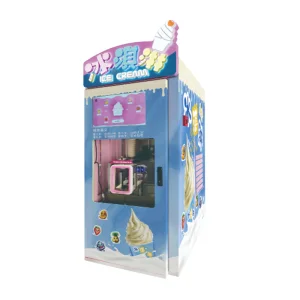
In automated soft-serve ice cream units, mechanical reliability centers on the freezing cylinder, agitator beaters, and pasteurization circuits. Dual-compressor setups allow independent control over freeze cylinder cooling and raw mix hopper storage, preserving product texture and meeting stringent municipal health codes.
Unattended equipment operational profitability relies heavily on software management infrastructure. The centralized IoT platform offers comprehensive operational monitoring features:
Selecting an ODM manufacturing vendor over a sourcing middleman or trading company is a critical risk-mitigation step for commercial buyers. True source factories operate comprehensive sheet metal fabrication workshops, laser cutting lines, automated powder coating bays, and rigorous multi-stage quality assurance lines.
Partnering directly with a verified ODM automated vending factory ensures transparent engineering oversight, immediate spare parts access, direct firmware customization, and long-term supply chain stability. Intermediary trading entities frequently lack deep engineering staff, resulting in prolonged technical support delays when field malfunctions occur.
To guarantee zero-defect field deployments, top-tier vending production facilities execute a disciplined 11-step Quality Control (QC) workflow prior to export packaging:
Navigating international customs regulations and municipal health codes requires direct factory cooperation. Importers must ensure equipment possesses appropriate regulatory certifications before executing procurement agreements.
Verification of mandatory market credentials including CE, ETL, cETL, CB, FCC, PSE, KC, and NAMA, ensuring frictionless customs clearance and local operational authorization.
All internal tubing, mixing chambers, storage hoppers, and dispensing mechanisms are manufactured from food-grade 304/316 stainless steel and BPA-free food plastics compliant with FDA and EU 1935/2004 regulations.
Factory configuration supports 110V/60Hz or 220V/50Hz power systems, multi-currency cash acceptors, and localized multi-lingual user interfaces supporting over 30 global languages.
When issuing Requests for Proposals (RFPs) for automated snack vending equipment, enterprise buyers should evaluate potential ODM manufacturing partners using an objective technical framework:
Expand Your Fleet with Specialized Dessert, Snack, and Custom Retail Vending Hardware Direct from our Production Facility.



Expert Guidance Answered by Factory Engineers and Global Sourcing Directors
