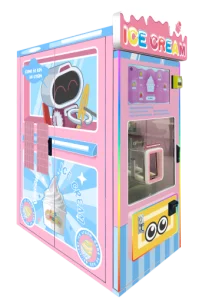
Direct factory-engineered robotic systems designed for 24/7 unattended commercial deployment across worldwide markets.
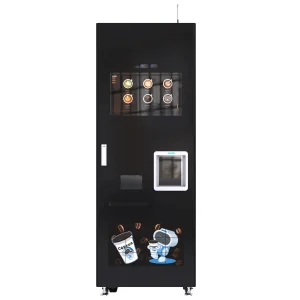

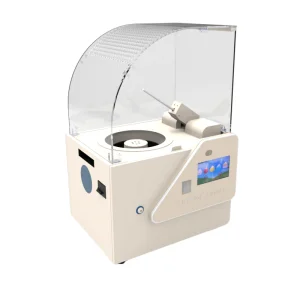
An in-depth evaluation of commercial automated soft-serve ice cream systems, thermal preservation standards, telemetry monitoring, and OEM manufacturing protocols.
The global automated vending landscape is undergoing a structural paradigm shift. Driven by skyrocketing retail labor costs, changing consumer expectations for instant visual entertainment, and breakthroughs in robotic automation, commercial operators are rapidly migrating from legacy static snack dispensers to high-margin, automated fresh-food micro-factories. Specifically, custom ice cream automatic vending machines have emerged as one of the highest yield-per-square-meter investments in the automated retail industry.
Unlike standard ambient vending equipment, manufacturing robotic soft-serve and frozen dessert machines requires precise mechanical engineering, strict thermodynamic controls, automated Pasteurized Clean-in-Place (CIP) systems, and compliance with rigorous global food safety standards (such as NAMA, NSF, ETL, and CE). As enterprise buyers, chain brands, and automated vending operators evaluate potential custom suppliers and factories, understanding the underlying technological roadmap, supply chain resilience, and long-term total cost of ownership (TCO) is essential for securing a competitive edge.
Matching dynamic robotic payload hardware to high-footfall commercial environments for maximum revenue optimization.
Deploys interactive transparent glass displays with RGB light synchronization. Captures high family impulse purchasing while operating on tight footprint limits (under 1.5 sq meters) without kitchen infrastructure.
High-capacity hopper configurations engineered to withstand intense throughput demands (over 200 consecutive servings/hour) while maintaining core freezing temperature under variable outdoor ambient conditions.
Integration with global MDB multi-currency cashless payment systems, telemetry security alerts, and touchless QR ordering to serve peak passenger transit waves around the clock.
| Deployment Venue | Primary Technical Requirement | Capacity Profile | Recommended Machine Model |
|---|---|---|---|
| Commercial Malls & FECs | Interactive visual presentation & dual-flavor option | Medium to High (300+ cups/day) | SI321 Robotic Soft-Serve Series |
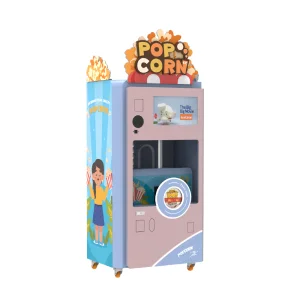
| Cinemas & Arcades | Rapid transaction speed & combo pairing capability | High Peak (500+ cups/day) | P30 Popcorn & SI321 Vending Hub |
| Office Parks & Campuses | Sanitation auto-pasteurization & quiet operational dB | Steady Constant (150 cups/day) | SF308 Coffee & Ice Cream Combo |
| Outdoor Tourist Attractions | Climatic insulation & IP54 dust/water resistance | Extreme Surge (800+ cups/day) | Custom Heavy-Duty Outdoor SI-320 |
A transparent breakdown of next-generation refrigeration, robotic kinematic arms, IoT telemetry, and automated CIP pasteurization.
At the core of an industrial automatic soft-serve machine lies the refrigeration assembly. Standard commercial freezers often suffer from ice crystallization during off-peak hours or mix degradation due to temperature fluctuations. Next-generation custom factories implement dual-compressor independent refrigeration circuits. The main freezing cylinder utilizes high-efficiency eco-friendly refrigerants (such as R290 or R448A) paired with a high-torque mechanical auger, ensuring smooth overrun texture within 45 seconds of order placement.
Simultaneously, the raw mix storage hopper maintains a strict 2°C to 4°C ambient thermal envelope, powered by an auxiliary micro-compressor. Dosing is regulated via high-precision peristaltic metering pumps, eliminating mechanical valves that accumulate bacterial residue.
To turn simple food dispensing into an engaging consumer show, top suppliers utilize multi-axis robotic arms. Operating on industrial-grade stepper motors with absolute encoders, these arms handle paper cup extraction, positioning under the freezing nozzle, precise spiraling rotation during dispensing, syrup topping application, and final window delivery.
Safety is critical in unattended public environments. Soft-serve robotics are enclosed behind toughened anti-pinch electronic access doors equipped with infrared photoelectric sensors and physical safety interlocks. If an obstruction is detected during dispensing, the kinematic arm immediately enters a safe torque off (STO) condition.
Modern vending fleets cannot be managed through manual site visits alone. Modern smart factories integrate 4G/5G telemetry gateways supporting MDB 4.3, DEX/UCS, and MQTT protocols directly into the main control unit (MCU). Operators monitor live performance data from a unified cloud dashboard:
Algorithms calculate liquid mix remaining by weight and dispensing volume, automatically triggering replenishment alerts to field technicians before sell-outs occur.
Programmable Pasteurization cycles heat the liquid channel to 68°C–74°C for 30 minutes during low-traffic night hours, killing bacteria and extending liquid mix life up to 14 days without disassembly.
Push new digital banner ads, video content, promotional menu pricing, and custom UI languages remotely over-the-air (OTA) across thousands of machines simultaneously.
Why sourcing directly from integrated Guangzhou manufacturing hubs delivers structural cost, speed, and customization advantages.
Sourcing automated food equipment directly from established Chinese OEM/ODM source factories—such as Guangzhou Seven Cloud Technology Co., Ltd. (SevenCloud / Qiyun)—gives enterprise buyers a definitive competitive edge. Operating an expansive 11,000 square meter standardized smart manufacturing facility staffed by over 130 specialized engineers and assembly technicians, SevenCloud integrates complete end-to-end production in-house.
Equipped with high-precision fiber laser cutting centers, CNC press brakes, and robotic welding stations. Raw stainless steel coils are transformed into heavy-duty chassis without middleman supplier markups.
Every equipment unit passes through 11 mandatory quality control gates, including raw component stress testing, harness insulation checks, subassembly bench tests, continuous 200-serving stress cycles, and transportation vibration simulation.
Before crate packing, finished ice cream robots run through a uninterrupted 24-hour electrical and thermal burn-in test to verify zero electrical leakage and consistent freezing stability under full thermal loads.
Key technical considerations for procurement directors, regional distributors, and franchise operators when selecting manufacturing partners.
Procuring custom automatic ice cream vending hardware for multi-country rollouts requires rigorous validation across electrical, payment, aesthetic, and compliance frameworks. Below are the primary specifications professional procurement engineering teams must define:
| Specification Dimension | Standard Factory Options | Enterprise OEM Customization Scope |
|---|---|---|
| Electrical Voltage & Frequency | AC 220V/50Hz Single Phase | 110V/60Hz, 230V/50Hz, 3-Phase Industrial, NEMA Plugs |
| Payment System Integration | Standard Cashless MDB Interface | Nayax, ICT, Crane, Credit Card Readers, QR Wallets, Coin Acceptors |
| Chassis Branding & Vinyl Wraps | Standard SevenCloud Cyber Theme | Full custom Pantone color powder coating, illuminated logo, wrap graphics |
| Operating System & UI Language | English & Chinese Touchscreen UI | Multi-language support (20+ languages), customized UI flow, video ads |
| Refrigerant & Compressor Brand | Commercial R404A / High-Efficiency R290 | Embraco / Secop / Tecumseh compressors certified for target region |
Ensuring frictionless customs clearance, electrical safety certification, and food-grade sanitation compliance worldwide.
Product platforms are evaluated against destination market standards, holding certified test reports for CE, ETL, cETL, NAMA, PSE, RoHS, FCC, CB, and KC. (Coverage verified per specific machine configuration).
All internal liquid pumps, stainless steel augers, freezing barrels, and dispense tubing utilize food-grade 304/316 stainless steel and FDA/EU-approved food-safe silicone hoses.
Every commercial bulk shipment includes standardized critical spare-parts kits (seals, sensors, valves, control boards) supported by dedicated online engineer groups for rapid remote diagnostic support.
A realistic revenue model demonstrating payback period timelines and operating margins for automated ice cream operators.
The business model of automated frozen dessert retail yields some of the highest gross profit margins across the fast-moving consumer goods (FMCG) vending category. Below is an indicative operational cost breakdown based on global operator field data:
| Cost / Metric Element | Value / Range (USD) | Strategic Operational Insight |
|---|---|---|
| Average Retail Price per Cup | $3.50 – $5.00 | Adjusted based on premium location & syrup topping add-ons |
| Raw Material Cost (Mix, Cup, Spoon) | $0.45 – $0.70 | Yields ~82% to 87% Gross Margin per transaction |
| Daily Volume (Prime Shopping Mall Spot) | 120 – 250 Cups / Day | Weekend spikes can exceed 400 cups/day in high footfall FECs |
| Daily Gross Revenue | $420.00 – $1,125.00 | Continuous 24-hour revenue collection without staff shifts |
| Estimated Monthly Electricity Cost | $45.00 – $80.00 | Optimized by smart low-power overnight standby mode |
| Average Payback Period (CAPEX Recovery) | 2.5 to 4.5 Months | Significantly faster payback compared to franchised retail stores |
Detailed technical answers provided by our engineering, export compliance, and software teams.
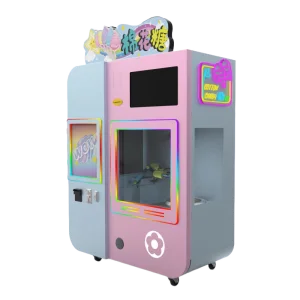
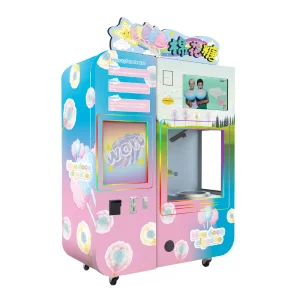
Additional commercial confection, popcorn, and specialized automated equipment for enterprise procurement.

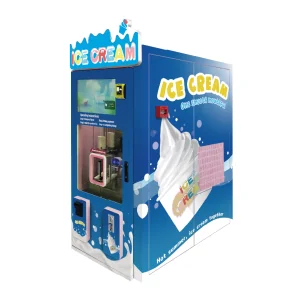
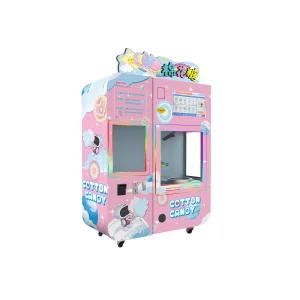
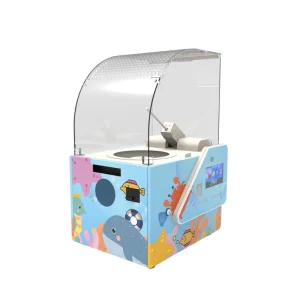

Partner directly with Guangzhou's premier smart vending source factory. Connect with our engineering procurement team today for custom quotes, technical drawings, certification verification, and shipping estimates.
Request Enterprise Procurement Catalog