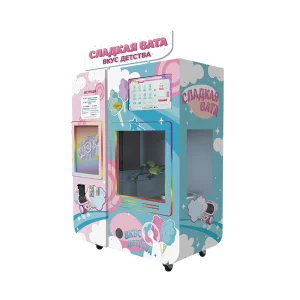
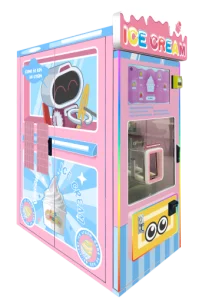
High-ROI smart robotic platforms optimized for prime commercial and industrial location deployment.


Analyzing the shift from static point-of-sale hardware to telemetry-driven spatial revenue optimization.
The global automated retail landscape is undergoing a structural paradigm shift. Traditionally viewed as secondary convenience channels, custom available vending machine locations have transformed into primary, high-yield revenue real estate. According to global retail automation benchmarks, the global smart vending market is expanding at a Compound Annual Growth Rate (CAGR) exceeding 12.4%, driven by labor cost inflation, urban space compression, and consumer demand for frictionless, instant gratification.
Locations such as shopping mall corridors, transit terminals, theme parks, and entertainment complexes yield up to 4.5x higher conversion rates when equipped with interactive visual robotics (e.g., custom cotton candy or robotic soft-serve machines) compared to standard snack machines.
Modern manufacturing plants, tech campuses, logistics warehouses, and healthcare facilities operate on 24/7 schedules where traditional food service is cost-prohibitive. Automated food and beverage robotics provide consistent amenity coverage while eliminating overhead.
Modern location evaluation relies on algorithmic heat-mapping rather than simple foot counts. Capturing high-dwell micro-zones (e.g., waiting areas near queue lines) maximizes Return on Location Investment (ROLI) by tapping into captive audience impulse buy behaviors.
In mature markets across North America, Western Europe, and East Asia, location acquisition strategies are moving away from broad floor-space leasing toward hyper-targeted micro-placements. Successful enterprise operators no longer ask "Where can we fit a vending machine?" but rather "What automated sensory experience matches the demographic profile of this precise 2-square-meter spatial vector?"
How Guangzhou’s advanced robotics cluster empowers global operators with unparalleled hardware performance and cost advantages.
The global dominance of specialized vending machine manufacturing—specifically in Guangzhou, Guangdong—is built upon a complete, vertically integrated industrial ecosystem. Chinese source factories have transitioned from basic mechanical assembly to advanced mechatronic engineering, incorporating industrial robotics, IoT cloud architecture, and rigorous quality control protocols.
From internal sheet-metal laser fabrication and CNC structural framework milling to custom circuit board design, keeping 100% of core manufacturing processes in-house eliminates third-party markups and guarantees precise tolerances required for 24/7 unattended operation.
Leading factories like SevenCloud employ an 11-step Quality Control protocol. Every machine undergoes a mandatory 24-hour continuous burn-in test and a 200-unit continuous dispense stress simulation to eliminate field failure risks before international ocean freight packaging.
Engineered with proprietary cloud backends, these systems deliver real-time error diagnostics, remote inventory tracking, dynamic pricing controls, and multi-currency payment integration (Nayax, CPI, QR wallets) tailored specifically for global deployment scenarios.
Matching automated retail hardware configurations to specific commercial environment demands.
Maximizing revenue across custom available vending machine locations requires aligning machine mechanics and product offerings with venue-specific customer behaviors and operational constraints.
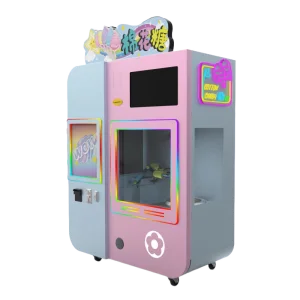
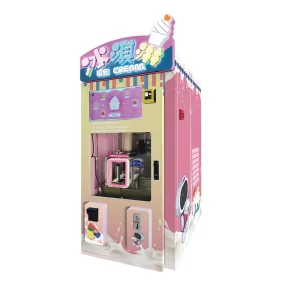
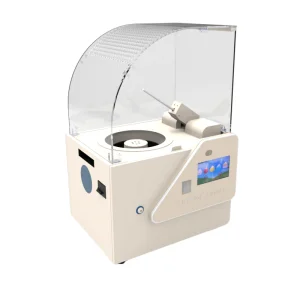
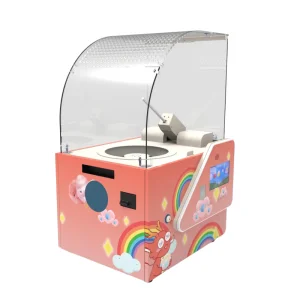
Recommended Hardware: Fully Automatic Cotton Candy Robots (e.g., SC-320) & Soft-Serve Ice Cream Robots (SI-321).
Deployment Strategy: Position in central corridors, near children’s play zones, or adjacent to food courts. High visual engagement (multi-color sugar spinning and robotic arm movement) acts as a visual magnet, capturing foot traffic and converting window shoppers into paying customers.
Recommended Hardware: Multi-Flavor Automatic Popcorn Machines (e.g., P30 / P10 Series).
Deployment Strategy: Place near box office queues and concourses to capture high-margin snack sales before movie showtimes. Kettle-style popping creates appetizing aromas, dramatically increasing impulse purchase conversion.
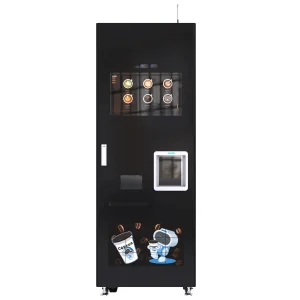
Recommended Hardware: Freshly Ground Bean-to-Cup Coffee Vending Machines (SF308 / CF300 Series).
Deployment Strategy: Install in employee break rooms, airport gates, and university lobbies. Providing fast, barista-quality espresso 24/7 generates consistent daily recurring revenue with low maintenance overhead.
Strategic insights into AI vision, dynamic yield management, and eco-friendly robotic engineering.
Future-proof vending platforms utilize integrated IoT sensors to monitor component degradation, water levels, sugar humidity, and refrigeration cycles. Machine learning models predict component fatigue before errors occur, eliminating operational downtime.
Integrating cloud management systems allows operators to automatically adjust menu prices based on real-time foot traffic, peak hours, weather conditions, and seasonal demand. This maximizes profit margins during peak operational windows.
Post-pandemic health regulations require automated sanitation. Advanced ice cream and cotton candy vending units now feature automated high-temperature pasteurization, UV-C chamber sterilization, and automated steam cleaning cycles to guarantee compliance.
A structured evaluation framework for B2B importers, distributors, and fleet operators.
When sourcing equipment for enterprise fleet deployment across custom available vending machine locations, procurement teams must evaluate hardware beyond the initial purchase price. Calculating Total Cost of Ownership (TCO) and verifying international regulatory compliance are critical for risk mitigation.
Technical and commercial answers directly from our factory engineering team.
Location dictates conversion rates and machine daily dispense volume. High-footfall, long-dwell locations (such as amusement parks or shopping malls) generate significantly faster payback periods—often achieving full machine ROI within 3 to 6 months—compared to low-traffic sites, even when machine operational costs remain equal.
Sourcing directly from an established factory like SevenCloud eliminates middleman markups, gives you direct access to engineering OEM/ODM customization, guarantees authentic factory spare parts support, and ensures your equipment is built to strict international safety standards under an 11-step quality control system.
Yes. Our machines are built with flexible payment interfaces compatible with credit/debit card readers (Nayax, Ingenico), cash bill acceptors, coin mechanisms, and QR code mobile payment gateways (Apple Pay, Google Pay, local e-wallets).
Our proprietary IoT cloud platform provides real-time visibility into sales analytics, ingredient levels, temperature profiles, and error logs across your entire fleet. Operators receive immediate SMS or email alerts if a machine requires restocking or maintenance, minimizing route technician labor costs.
Daily maintenance typically takes 10–15 minutes and involves refilling consumable ingredients (sugar, soft-serve mix, coffee beans, cups) and conducting basic surface cleaning. Internal food contact zones feature automated self-cleaning and steam pasteurization cycles to maintain strict hygiene standards.
Factory-direct specialized machines designed for long-term operational durability.