Factory-direct robotic hardware engineered with European CE conformity, high-speed automated dispensing, and enterprise-grade IoT integration.
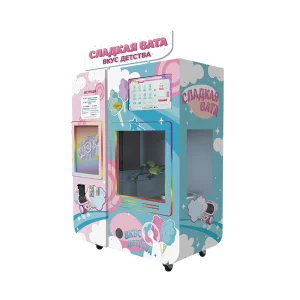

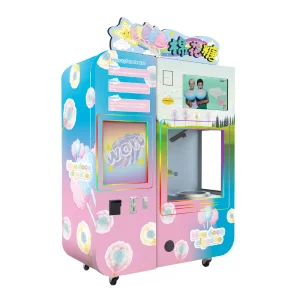
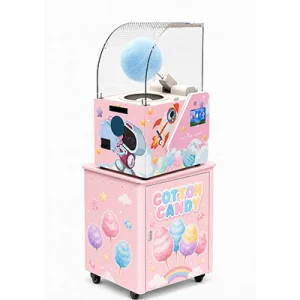
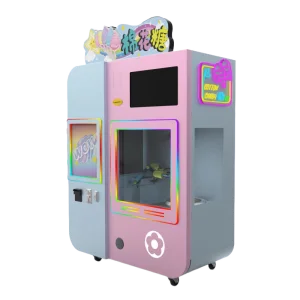

Analyzing Capital Expenditure (CapEx), Operational Expenditure (OpEx), and Gross Profit Margins across high-yield automated retail assets.
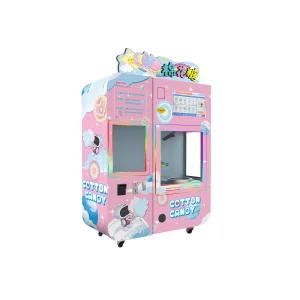
Automated food retail, particularly automated cotton candy and soft-serve ice cream, offers unprecedented profit margins. For cotton candy, raw sugar and stick costs average under $0.15 to $0.25 USD per serving, while selling prices range from $4.00 to $8.00 USD in premium venues, yielding gross margins exceeding 85% to 92%.
Traditional retail food service incurs ongoing wage inflation, training costs, and shift scheduling friction. A CE-certified fully automatic vending robot operates continuously without human intervention, transforming fixed payroll expenses into predictable, minimal electricity and replenishment costs.
With average daily sales volumes of 40–80 cups/units in tier-1 commercial locations (shopping centers, amusement arcades, tourist plazas), initial machine CapEx recovery is typically achieved within 3.5 to 6 months, paving the way for multi-unit fleet expansion.
| Vending Product Category | Avg. Machine CapEx ($ USD) | Unit Cost (COGS) | Avg. Retail Price | Gross Margin (%) | Est. Payback (Days @ 50 sales/day) |
|---|---|---|---|---|---|
| Fully Automatic Cotton Candy Robot | $6,500 - $9,500 | $0.18 / stick | $5.00 - $7.00 | 95.6% | 75 - 110 Days |
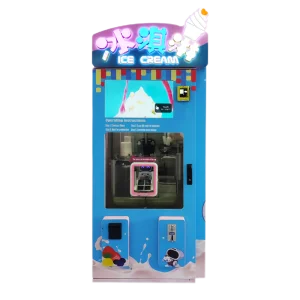
| Robotic Soft-Serve Ice Cream Terminal | $8,000 - $12,000 | $0.45 / cup | $4.50 - $6.50 | 90.0% | 90 - 130 Days |
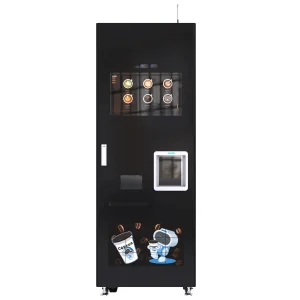
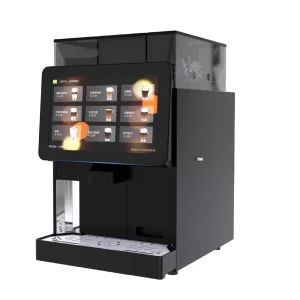
| Bean-to-Cup Iced/Hot Coffee Robot | $5,500 - $8,500 | $0.35 / cup | $3.50 - $5.50 | 88.5% | 100 - 145 Days |
| Semi-Automatic Commercial Unit | $2,200 - $3,800 | $0.15 / stick | $3.50 - $5.00 | 94.2% | 45 - 70 Days |
Why verified compliance is not just a legal formality, but a structural guarantee protecting enterprise investment, venue leasing rights, and operational longevity.
Unattended equipment operating in public spaces requires absolute electrical safety. Our CE-certified machines feature dual-stage grounding, flame-retardant internal wiring, automatic high-voltage cut-offs, and residual current circuit breakers (RCCB). This eliminates electric shock hazards and protects equipment during unexpected electrical surges in public venues.
Vending robots contain high-frequency heating coils, multi-axis stepper motors, and touchscreens. Compliance with EMC directives ensures that emissions do not interfere with shopping mall Wi-Fi, point-of-sale terminals, or neighboring electronic infrastructure, while shielding the machine's CPU from external electronic noise.
Robotic arm mechanisms dispensations must incorporate anti-pinch protection and optical safety curtains. If a consumer inserts a hand into the dispensing door during operation, infrared sensors instantly freeze kinetic movement, preventing injuries and shielding operators from liability claims.
All internal food contact zones—including sugar melting burners, milk lines, syrup pumps, and dispensing sticks—are fabricated using food-grade 304/316 stainless steel, PTFE tubing, and non-toxic food-contact polymers certified under EU Regulation (EC) No 1935/2004 and FDA standards.
How direct manufacturing integration in Guangzhou, China provides technical agility, cost leadership, and strict quality control matrices.
By eliminating sub-contracted metalwork, our 11,000 m² automated facility uses fiber-laser cutters, precision CNC press brakes, and robotic welding cells. This guarantees structural chassis rigidity, zero frame distortion during transit, and exact component alignment for multi-axis robotics.
Every production batch undergoes an unyielding 11-step inspection protocol: from raw material spectrometer testing, PCB electrical aging tests, sub-assembly testing, to a mandatory 24-hour continuous burn-in load test and a 200-unit stress dispensing trial prior to export packaging.
Direct access to senior mechanical and software engineering teams allows fast customization: custom vinyl exterior wrapping, multi-language UI localization (supporting 30+ languages), voltage adaptation (110V/220V 50/60Hz), and custom payment protocol integration (Nayax, CPI, CCTalk, MDB, QR payment gateways).
Tailoring automated retail platforms to diverse demographic environments, spatial constraints, and consumer purchasing intent.
High pedestrian traffic combined with weekend family outings makes shopping center corridors prime real estate. The visual spectacle of colorful cotton candy shaping or robotic ice cream dispensing acts as an organic, crowd-drawing attraction, driving impulse buying from parents and children alike.
Positioned near ticket redemption counters or main play zones, automated cotton candy and popcorn terminals capture high leisure spending. The contactless card/cash payment workflow allows venue operators to capture high-margin concessions without dedicated counter staff.
Passenger terminals require round-the-clock concession access. Bean-to-cup iced/hot coffee machines and rapid popcorn dispensers cater to time-sensitive travelers, offering quick transaction speeds (< 45 seconds per order) and reliable cashless payment processing.
Equipped with internal climate-control modules, anti-condensation heated glass doors, and rugged outer cabinets, our specialized outdoor-ready configurations withstand variable ambient temperatures while servicing high peak-hour tourist volumes.
Advanced engineering milestones defining the next decade of intelligent, self-maintaining unattended food service terminals.
Operators track real-time sales, sugar/ingredient inventory levels, temperature charts, and error logs via web and mobile apps. Instant push notifications alert field technicians to low inventory or cleaning requirements, optimizing route management.
Integration of machine-learning vibration and thermal sensors on motor drives to predict mechanical fatigue before failure occurs. Automated Clean-In-Place (CIP) hot-water wash cycles streamline daily maintenance and ensure strict bacterial control.
Implementation of vision-based customer interaction, dynamic pricing algorithms based on foot-traffic intensity and weather conditions, and expanded customized shape-spinning algorithms for customized edible art.
Specialized commercial equipment designed for food processing lines, specialty coffee corners, and compact commercial operations.
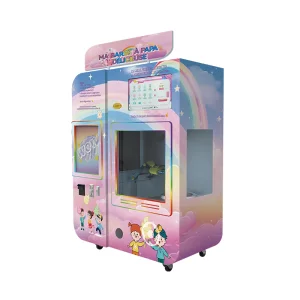
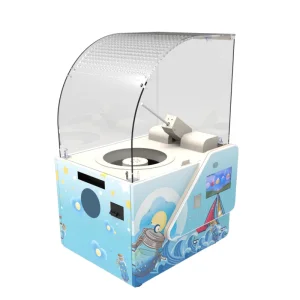
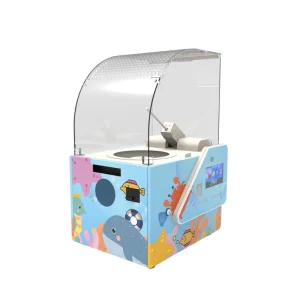
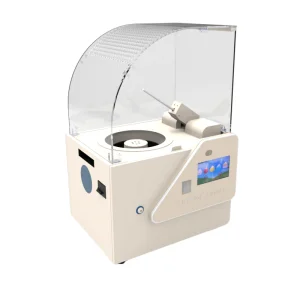
Ensuring zero operational friction across global deployment destinations through direct factory technical backing and spares logistics.
Every equipment customer is backed by a dedicated online technical group comprising software engineers, mechanical specialists, and after-sales managers. Technical queries and diagnostic logs receive response and resolution plans within 2 to 12 hours, minimizing operational downtime.
We maintain an extensive inventory of high-wear modular spare components (burner heads, sugar sticks, water pumps, heating elements, mainboard units). Critical replacement modules are dispatched via DHL/FedEx/UPS express air freight to ensure swift field restoration.
Buyers receive comprehensive digital documentation, high-definition step-by-step maintenance video tutorials, and interactive remote training covering machine setup, payment gateway configuration, daily sanitation, and seasonal calibration.
Authoritative technical and commercial guidance for vending network operators, purchasing managers, and distributors.
CE Certification is a mandatory regulatory requirement for importing and operating commercial electrical machinery within the European Economic Area (EEA). Top-tier commercial landlords (e.g., Westfield malls, airport authorities, corporate hubs) strictly require valid CE documentation (LVD and EMC test reports) before granting lease approval. Operating non-certified machinery voids commercial liability insurance policies in the event of electrical or fire hazards.
ROI is primarily dictated by location foot traffic and pricing strategy. Assuming a conservative sales volume of 40 units per day at $5.00 USD retail price, daily revenue equals $200 USD. With COGS at approximately $0.20 per unit ($8.00 total) and estimated location rent/electricity at $30 per day, daily net profit averages $162 USD. Under these parameters, a $7,500 CapEx machine achieves full payback in approximately 46 to 60 operating days.
Our machines utilize standardized MDB (Multi-Drop Bus) and CCTalk protocols compatible with major international payment terminals. For credit/debit cards and contactless mobile payments (Apple Pay, Google Pay), hardware such as Nayax VPOS Touch, PAX, or USA Technologies can be factory-installed or retrofitted. Regional QR-code payment systems (Alipay, WeChat Pay, KakaoPay, Paytm) are also supported via API software integration.
For cotton candy machines, daily maintenance involves wiping down the glass dispensing chamber, emptying the sugar residue collector, and verifying water reservoir levels (for auto-moistening features). Weekly maintenance includes inspecting the spinning burner head and running an automated burner cleaning cycle. For ice cream and coffee terminals, daily automated CIP hot-water sanitization runs automatically, with manual replenishment of syrup, milk powder, or coffee beans required as indicated by the IoT management app.
Machines are custom-configured during factory assembly based on the destination country's electrical grid standards. We support 110V AC single-phase (North America, Japan) and 220V–240V AC single-phase (Europe, Middle East, Australia, China) at both 50Hz and 60Hz frequencies. Power consumption ranges from 800W idle up to 2500W peak during rapid heating cycles.
Working directly with a source manufacturer eliminates middleman price markups (typically 20%–35%), provides direct access to software engineers for custom UI or payment integration, ensures authentic factory spare parts availability, and guarantees that every machine undergoes full structural, electrical, and stress-burn-in testing prior to export dispatch.
