Industrial-grade automated concession systems engineered with CE compliance, IoT cloud telemetry, and fully self-cleaning robotic modules.

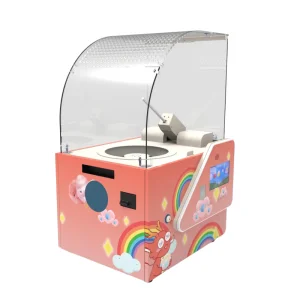
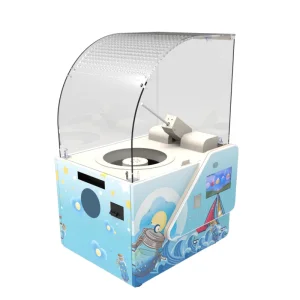

How robotics, IoT management systems, and CE-certified manufacturing are restructuring the $58B micro-retail marketplace.
The global vending machine landscape is undergoing a monumental paradigm shift. Driven by escalating urban labor costs, shifts toward contactless consumer behavior, and breakthroughs in precision robotics, traditional packaged vending machines are rapidly giving way to interactive, freshly-prepared automated concession robots. Modern consumers no longer seek merely convenience; they demand engagement, customization, and immediate production quality.
Commercial automated cotton candy robots, soft-serve ice cream vending stations, popcorn units, and bean-to-cup coffee machines represent the high-margin frontier of this revolution. Unlike packaged beverage or snack machines operating on slim 15-30% net margins, freshly spun cotton candy and robotic soft-serve ice cream regularly deliver gross profit margins exceeding 80% to 90%. However, entering and scaling within this lucrative market requires an intimate understanding of machinery engineering, factory OEM capabilities, international regulatory compliance (specifically CE and ETL standards), and localized operational telemetry.
Operators navigating the vending ecosystem must distinguish between trading intermediaries and true original equipment manufacturers (OEMs). Direct integration with source manufacturers like Guangzhou Seven Cloud Technology ensures access to proprietary mechanical designs, rapid firmware iterations, custom component access, and direct engineering troubleshooting—eliminating third-party markup and guaranteeing long-term fleet stability.
Strict structural, electrical, and food-safety engineering parameters designed for continuous high-footfall operation.
Full adherence to the Low Voltage Directive (LVD 2014/35/EU) and Electromagnetic Compatibility Directive (EMC 2014/30/EU). Every unit undergoes insulation resistance tests, grounding continuity checks, and high-voltage leak tests prior to export documentation sign-off.
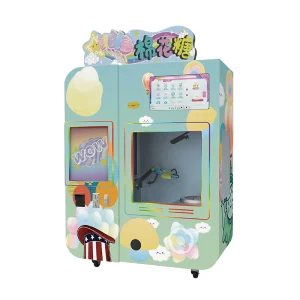
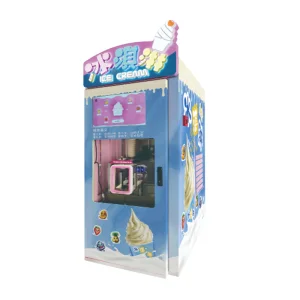
Engineered with multi-axis closed-loop stepper motors and optical sensors. Capable of executing intricate flower-shaped cotton candy designs or precise soft-serve swirl dispensing within millimeter tolerances over millions of operational cycles.
Integrated high-temperature steam washing, automated sugar burner cleaning, and food-grade 304 stainless steel fluid conduits guarantee absolute compliance with international food hygiene and safety standards (HACCP principles).
Real-time telemetry architecture allowing remote operators to monitor syrup levels, sugar inventory, sales revenue, temperature fluctuations, and error logs via mobile apps and web dashboards.
Plug-and-play architecture supporting global cashless telemetry (Nayax, MDB protocol bill/coin acceptors, credit cards, Apple Pay) alongside local QR solutions (WeChat Pay, Alipay, KakaoPay, Paytm).
From incoming sheet-metal inspection to a full 24-hour uninterrupted burn-in test and 200-unit continuous production stress trial before final wooden crate packaging and shipping.
Data-backed performance patterns across worldwide high-traffic retail and entertainment environments.
High family concentration and extended dwell times make amusement parks optimal locations for fully automatic cotton candy robots and soft-serve ice cream stations. The visual aspect of robot arm crafting serves as a street-level performance, driving impulse purchases from queue lines.
Unattended kiosks placed near cinema entrances, food courts, and children's play zones capture high weekend traffic. Small equipment footprints (under 1.5 sq meters) minimize monthly leasing overhead while operating 24/7 without counter staff costs.
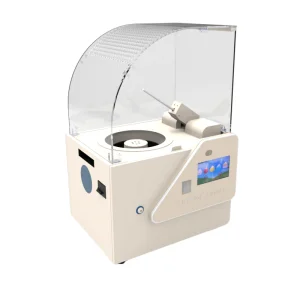
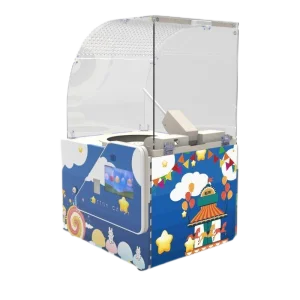
Combining gaming entertainment with instant reward treats creates natural synergy. Automated popcorn vending machines (P10/P30 series) and mini cotton candy units provide affordable, quick-consumption options that keep visitors engaged longer.
To accurately project Return on Investment (ROI) when building a commercial vending machine fleet, operators must evaluate raw material costs, electricity consumption, location commission, and maintenance overhead against gross yield per unit sold.
Consider a standard operational scenario for an automated cotton candy vending machine deployed in a Tier-1 shopping center:
Architecting the future of micro-retail through artificial intelligence, robotics, and advanced material science.
Integration of machine-learning edge hardware directly on control boards to analyze motor strain, heating element impedance, and ambient humidity. The system automatically adjusts sugar moisture compensation and alerts technicians before physical failures occur.
Combining multi-head soft serve dispensing with real-time fruit topping insertion, plus 3D multi-layered flower cotton candy shaping operating simultaneously in hybrid dual-concession cabinets.
Transitioning heating elements to ultra-fast induction thermal systems and implementing eco-mode idle states, cutting overall standby power usage by up to 45% to align with global ESG requirements.
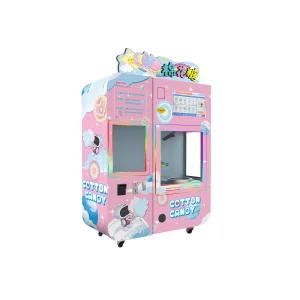
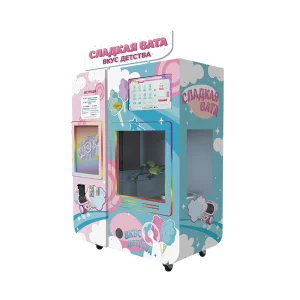
Factory-direct machines for event rentals, commercial coffee hubs, high-capacity candy lines, and multi-flavor popcorn systems.
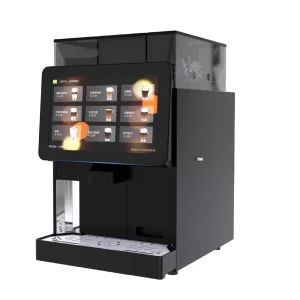
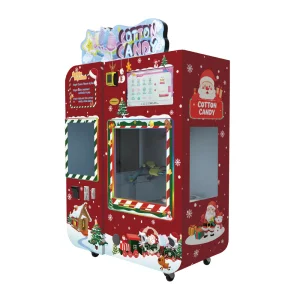
Expert answers addressing equipment selection, factory compliance, operational ROI, maintenance, and international shipping logistics.
