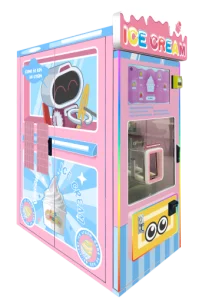
Explore fully certified commercial units, smart soft-serve vending robots, and automated confectionery solutions engineered for high-margin, unattended retail operations.
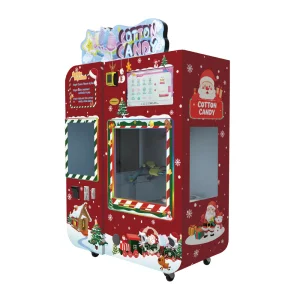
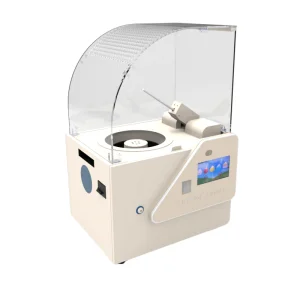
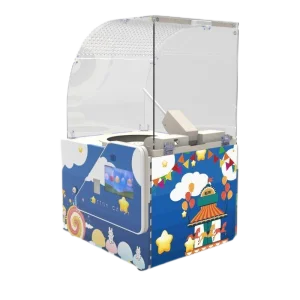
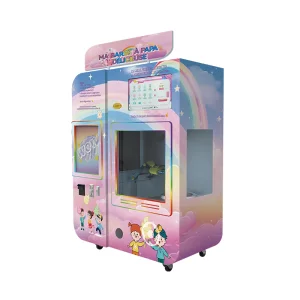
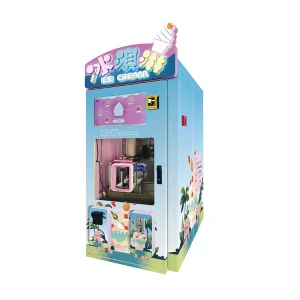

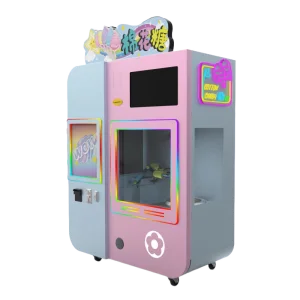
Navigating the commercial refrigeration market requires a granular understanding of direct unit cost, regulatory compliance overhead, and lifetime operational expenses. When procurement managers ask "CE certification ice cream machine how much?", the answer depends on technical engineering specs, compressor configurations, and robotic automation integration.
"In commercial food equipment procurement, focusing solely on initial CapEx is a strategic pitfall. CE-marked machinery adhering to EN 60335-2-75 guarantees low energy consumption, thermal stability, and strict food contact hygiene—reducing long-term OpEx by up to 34%."
The table below breaks down procurement pricing across tier-1 manufacturing hubs, comparing baseline configurations against fully automated CE certified robotic smart vending kiosks.
| Equipment Category | Typical Price Range (USD) | Primary CE Directives | Cooling Mechanism | Target ROI Horizon |
|---|---|---|---|---|
| Manual Countertop Soft Serve | $1,500 – $3,200 | LVD (2014/35/EU), EMC | Gravity Feed, Single Compressor | 3 to 6 Months |
| High-Output Commercial Floor Model | $4,000 – $8,500 | LVD, EMC, MD (2006/42/EC) | Air Pump Feed, Dual Compressor | 4 to 8 Months |
| Automated Soft Serve Vending Robot | $9,500 – $18,500 | CE, ETL, RoHS, NAMA, EN 60335-2-75 | Inverter Twin-Engine Cryogenic Refrigeration | 2 to 5 Months (24/7 Footfall) |
| Industrial Multi-Flavor Dessert Kiosk | $18,000 – $28,000+ | CE, FCC, CB, Machinery Directive | Smart Air Pump + Direct Expansion Pasteurization | 5 to 9 Months |
Modern commercial food equipment relies on smart IoT telemetry, precision refrigeration loops, and hygienic self-cleaning protocols. Below is our engineering architecture for enterprise deployments.
Real-time monitor mixture levels, internal hopper temperatures, pressure differentials, and sales performance via encrypted cloud management APIs.
Utilizing high-torque Embraco/Tecumseh compressors coupled with eco-friendly R290 or R449A refrigerants to achieve rapid freezing and reduced power draw.
Automated 65°C thermal pasteurization cycles eliminate daily disassembly requirements, ensuring compliance with strict HACCP and FDA health standards.
The commercial soft-serve industry is transitioning from manual machinery to autonomous robotic hubs. Our engineering roadmap focuses on AI vision, variable-frequency energy conservation, and advanced modular assembly.
Injecting precise air-to-liquid ratios (up to 80% overrun) into the freezing cylinder, creating a smoother texture while drastically increasing profit margins per mix batch.
Integrating 6-axis precision robotic arms capable of dispensing custom multi-flavor swirls, toppings, and personalized customer syrup art within 25 seconds per cup.
Adopting variable-frequency direct drive magnetic levitation compressors with ultra-low Global Warming Potential (GWP) refrigerant loops aligned with EU 2030 climate mandates.
Importing commercial ice cream equipment into the European Union, UK, or Latin American markets requires strict compliance with statutory directives. Non-compliant machines risk customs seizure, heavy fines, and operational bans.
Specifies safety requirements for commercial electric dispensing appliances and vending machines. Guarantees protection against electrical shock, mechanical pinch points, and thermal hazards.
Mandates dual-channel safety relays, emergency stop interlocks, and structural stability standards for automated robotic components operating without direct human monitoring.
Ensures internal touchscreens, payment gateways, and high-frequency inverter drives operate without emitting radio interference or suffering susceptibility from external power surges.
All liquid contact surfaces—including beaters, freezing cylinders, and dispensing spouts—must use food-grade 304/316 stainless steel and BPA-free certified polymer seals.
When evaluating manufacturers, commercial buyers must select an operational model that balances custom engineering flexibility with speed-to-market and unit cost optimization.
| Procurement Channel | Typical MOQs | Customization Capability | Cost Advantage | Best Suited For |
|---|---|---|---|---|
| Factory Direct (Standard CE Range) | 1 – 5 Units | Branding Wraps, Language UI, Coin/Card Readers | Maximum (Source Pricing) | Fleet Operators, Theme Parks, Independent Stores |
| OEM Custom Production | 10 – 50 Units | Custom Cabinetry, Dimension Specs, Custom Software | High Volume Efficiency | Global Brand Franchises, Equipment Distributors |
| ODM Complete Co-Development | 100+ Units | Ground-up Hardware & Mechanical Engineering | Strategic Long-Term ROI | Vending Enterprise Operators, Food Service Chains |
Deployment across diverse international regions requires adaptive electrical systems, localized payment hardware, and dependable after-sales technical support.
Factory configured dual-frequency transformers supporting 110V/60Hz (North America), 220V-240V/50Hz (Europe/Asia), and 220V/60Hz (Korea/Saudi Arabia) with local safety plugs.
Seamlessly interface with Nayax, CCV, CPI, and local contactless card readers alongside MDB-compliant coin/bill acceptors and QR code mobile payment gateways.
Modular component engineering allows rapid plug-and-play replacement of pumps, control boards, and sensors backed by global air-freight spare dispatch protocols.
Browse additional high-profit automated vending hardware, semi-automatic models, and commercial equipment direct from our manufacturing facility.
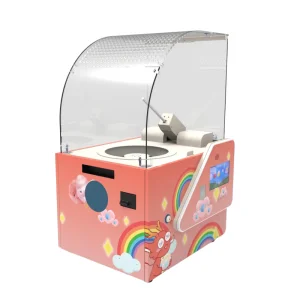

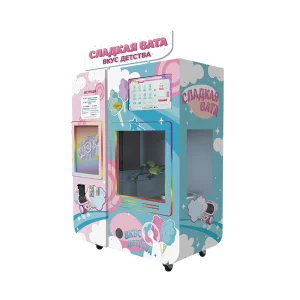

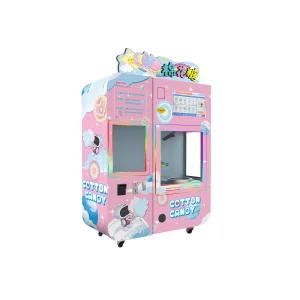
Direct technical and operational answers to common procurement questions regarding equipment cost, factory certification, shipping logistics, and yield calculation.
A: Direct commercial soft-serve machines cost between $1,800 and $4,500 for standard countertop units. High-output floor models range from $4,500 to $8,500, while fully automated smart robotic vending kiosks with CE marking range between $9,500 and $18,500 depending on compressor setup and payment system integrations.
A: CE certification verifies that the equipment meets mandatory EU safety, health, and environmental protection standards (EN 60335-2-75 for commercial dispensing appliances and Machinery Directive 2006/42/EC). Without CE certification, equipment cannot pass customs clearance in Europe and may void commercial property insurance.
A: Most commercial units operate best at ambient temperatures between 18°C and 32°C. Units equipped with secondary pre-cooling compressors maintain liquid mix below 4°C in the hopper, enabling fast 7-to-10 minute initial freeze cycles even in warm climates.
A: Air pump feed mechanisms inject micro-filtered air into the freezing cylinder (achieving 40% to 80% overrun). This increases product volume per liter of liquid mix, creating a lighter texture while reducing liquid consumption costs by up to 30% per serving.
A: Standard stock models ship within 7 to 10 business days. Custom OEM/ODM orders requiring localized voltage wiring, custom vinyl wraps, and telemetry software setup typically ship within 20 to 30 calendar days from order confirmation.