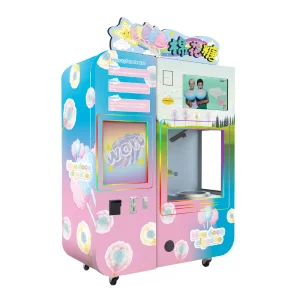
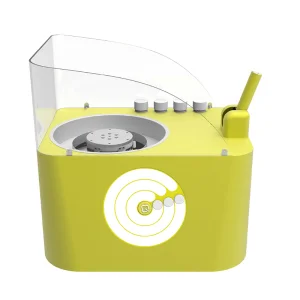
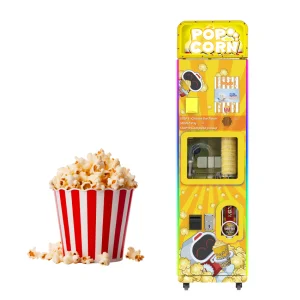
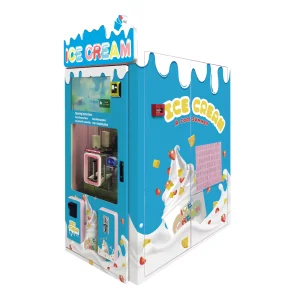
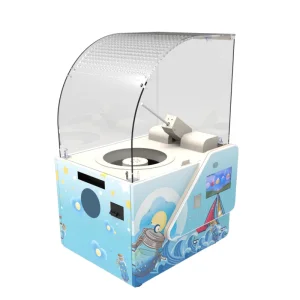
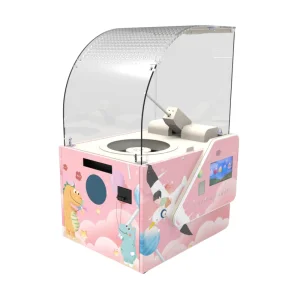
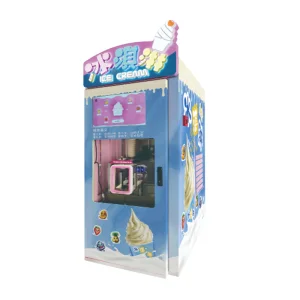
Explore our core CE-certified equipment line up, engineered for high throughput, unattended operation, and dual commercial-residential utility.
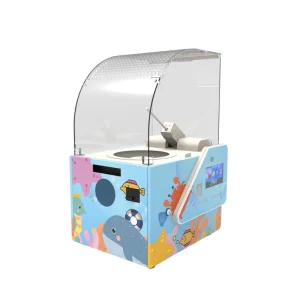

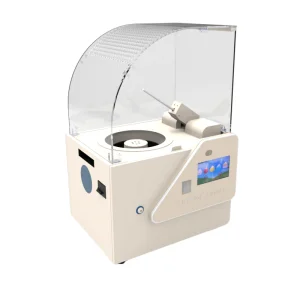
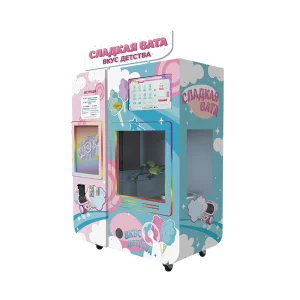

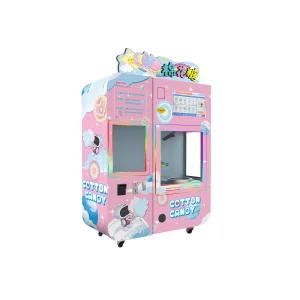
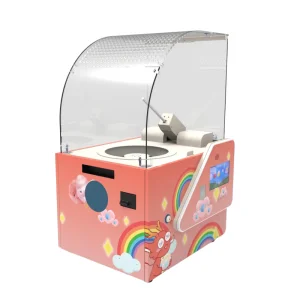
The global automated snack machinery sector is undergoing a paradigm shift driven by miniaturization, robotic precision, IoT integration, and stringent international safety certifications. Historically partitioned into distinct consumer countertop appliances and massive industrial food production lines, the market now embraces high-performance Home Snack Machines and hybrid commercial micro-factories. These devices merge industrial-grade thermal controls, food-grade materials, and algorithmic automation into compact footprints.
According to recent industrial market intelligence, the global smart automated snack and confectionery equipment market is projected to expand at a Compound Annual Growth Rate (CAGR) of 11.4% from 2024 to 2032. Key catalysts propelling this growth include:
For B2B buyers, global importers, and commercial operators, acquiring snack machinery without validated international certification represents a catastrophic business risk. The CE Mark (Conformité Européenne) serves as the mandatory passport for entering European Economic Area (EEA) markets and is widely recognized across North America, the Middle East, and Asia-Pacific as an indicator of structural, electrical, and food safety integrity.
A compliant snack machine factory must build equipment adhering to multi-layered European Directives, validated by accredited third-party testing laboratories (such as TST, TÜV, or Intertek):
Mandates rigorous dielectric strength testing, insulation resistance, grounding continuity, and thermal overload protection to prevent electrical shocks or fires during continuous heating operations.
Ensures the machine’s touchscreens, robotic servomotors, and wireless IoT telemetry modules emit zero hazardous electromagnetic radiation while resisting external radio-frequency interference.
Focuses on mechanical safety, requiring emergency stop switches, protective acrylic shields, pinch-point elimination on robotic arms, and redundant thermal cut-offs.
Food Contact Materials Compliance (Regulation EC No 1935/2004 & RoHS): Beyond electrical and mechanical safety, every component coming into direct contact with sugar syrup, dairy mixes, or corn kernels must be fabricated from food-grade Stainless Steel 304/316 or BPA-free, heat-resistant, non-toxic polymers. RoHS certification verifies the absolute absence of hazardous heavy metals like lead, cadmium, or mercury.
| Certification standard | Target Region | Primary Regulatory Focus | Testing & Factory Audit Requirements |
|---|---|---|---|
| CE Marking (LVD/EMC/MD) | European Union / Global | Electrical safety, EMC, Mechanical safety | Third-party lab test reports + Technical Construction File (TCF) |
| ETL / cETLus | United States & Canada | UL 751 & CSA standards for vending/appliances | Mandatory quarterly factory inspections & continuous monitoring |
| NAMA (Sanitation) | North America | Food safety, cleanability, automated CIP cycles | Evaluation of food contact zones and sanitation routines |
| PSE Mark | Japan | DENAN Law electrical appliance compliance | Strict high-voltage breakdown testing and local Japanese filing |
China—and specifically the Pearl River Delta industrial tech cluster in Guangzhou—has solidified its position as the global epicenter for smart vending and food machinery manufacturing. Sourcing directly from an integrated source factory rather than a intermediary trading firm yields profound competitive advantages for international enterprise buyers.
Within a 50-kilometer radius of our manufacturing plant, we source high-precision laser-cut sheet metal, industrial linear actuators, touchscreens, optical sensors, and commercial refrigeration compressors. This hyper-dense supply ecosystem reduces component lead times from weeks to hours, accelerating prototype iteration and mass production speed.
Every snack machine undergoes an exhaustive 11-step quality inspection pipeline prior to crate packing. This includes raw material verification, component functional testing, subassembly alignment, a compulsory 24-hour burn-in electrical endurance test, continuous 200-cycle production simulation, and transportation vibration testing.
Cost-to-Performance Superiority (TCO Optimization): In-house sheet metal fabrication, robotic welding, and automated assembly pipelines allow Chinese factories to offer commercial-grade robotic snack machines at 30% to 50% lower capital expenditure (CapEx) compared to European or Western counterparts, without sacrificing component quality or safety compliance.
Smart home and commercial snack machinery must adapt seamlessly to local cultural, geographic, and operational environments. Below are the primary proven business deployment vectors across global markets:
Compact, semi-automatic cotton candy makers and mini portable machines serve private birthday parties, luxury weddings, craft classes, and family entertainment. Low weight and intuitive 1-click controls make them ideal turn-key rental assets.
Fully automatic multi-flower cotton candy robots and soft-serve ice cream vending units thrive in heavy foot-traffic corridors. The interactive robotic assembly process becomes a visual spectacle, driving high-margin impulse sales.
Oil-free popcorn vending machines (such as the P10 series) and 6-flavor kettle-popped units (P30 series) replace expensive counter labor, providing fresh, warm snacks with automated payment integration (NFC, card, cash, QR).
When purchasing automated snack machinery in bulk, international enterprise buyers and distributors must navigate complex procurement parameters. Below is a structured checklist to ensure seamless sourcing and operational success:
Direct answers from our engineering and international trade compliance teams regarding CE certification, machine operation, maintenance, and logistics.
CE certification proves that the equipment satisfies all fundamental health, safety, and environmental protection requirements established under European Union directives (LVD, EMC, Machinery Directive). Importing uncertified machinery into CE-regulated markets can result in customs seizures, severe regulatory fines, invalidation of commercial insurance, and liability in the event of an electrical failure or injury.
Fully automatic machines handle the entire transaction and production process autonomously—from receiving customer payment, measuring raw materials (sugar, ice cream mix, popcorn), spinning or dispensing, to serving the finished product without human intervention. Semi-automatic machines require an operator to perform manual steps (such as holding the cotton candy stick or filling flavor hoppers) while relying on machine power for heating and spinning.
Our proprietary IoT telematics dashboard connects every machine via Wi-Fi or 4G cellular telemetry to a cloud server. Operators can log in via desktop or smartphone to view real-time sales revenue, track raw material levels (sugar, cups, sticks), adjust pricing remotely, receive instant technical alert notifications, and view diagnostic system health metrics.
Automated cotton candy machines feature automated hot-water dispensing and steam-cleaning cycles for the spinning head to prevent sugar crystallization. Ice cream vending machines utilize Clean-In-Place (CIP) automated pasteurization routines. Daily operator routines take under 15 minutes, focusing on wiping down exterior shields, emptying waste trays, and replenishing ingredients.
Yes. As a direct source factory, we build machines custom-tailored to buyer specifications. This includes configuring dual voltage switches (110V/220V), integrating MDB card reader bezels (Nayax, Pax, Ingenico), cash bill validators, coin acceptors, and applying custom corporate branding wraps.
Standard production lead time ranges from 10 to 20 business days depending on order volume and custom software configurations. All equipment includes a comprehensive 12-month factory warranty covering core mechanical and electrical components, supplemented by lifetime technical support and fast-tracked spare parts delivery via DHL/FedEx.
Explore additional high-performance robotics engineered for unattended passive income streams, event catering, and industrial candy production.