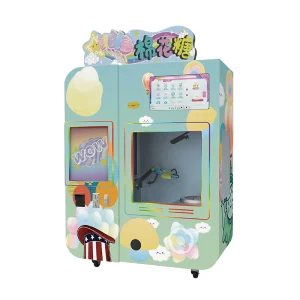
Explore our certified series of automated food processing robots engineered for continuous commercial deployment in high-footfall international venues.

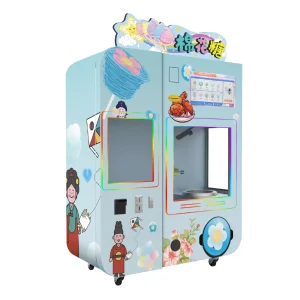
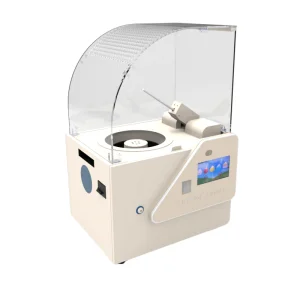
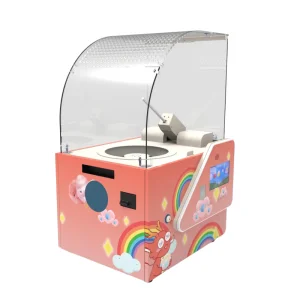
Analyzing global shifts, economic drivers, labor displacement, and hardware reliability standards shaping the modern micro-fulfillment ecosystem.
The global retail landscape is undergoing a structural paradigm shift driven by rising minimum wage standards, escalating real estate commercial rents, and shifting consumer expectations for instant, touchless fulfillment. Traditional brick-and-mortar concessions and human-staffed kiosk modules are rapidly giving way to CE certified automated retail solutions. As enterprise operators transition from basic mechanical vending to intelligent, autonomous culinary robots, the demand for certified, scalable, and secure manufacturing infrastructure has reached an all-time high.
Modern unattended retail goes beyond mere beverage and snack distribution. Today's commercial deployment models incorporate complex multi-axis robotics, real-time telemetry cloud management, closed-loop thermal and pneumatic control, and interactive multi-sensory user interfaces. Achieving seamless commercial operation across international markets requires hardware manufacturers to not only deliver innovative industrial design, but also guarantee strict compliance with stringent international safety, hygiene, and electromagnetic directives.
For international importers, commercial operators, and venue concessionaires, evaluating a manufacturing partner requires looking past basic aesthetic shells. True commercial profitability is determined by core engineering factors: Mean Time Between Failures (MTBF), compliance with CE health and safety directives, thermal regulation precision, and modular maintenance access. Equipment lacking certified engineering principles leads to frequent operational downtime, legal liability in regulated markets, and high total cost of ownership (TCO).
Understanding mandatory European Union harmonized standards and international compliance requirements for automated machinery imports.
Placing automated commercial equipment within the European Economic Area (EEA) and global markets requiring equivalent certification mandates rigorous conformity assessments. CE certification is not merely a decorative stamp; it represents a legally binding declaration that the hardware complies with mandatory health, safety, and environmental protection directives. Importing non-compliant automated retail kiosks exposes business operators to severe regulatory fines, immediate customs impoundment, and catastrophic civil liabilities during hardware incidents.
| EU Directives & Direct Standards | Technical Regulatory Focus | SevenCloud Commercial Engineering Assurance |
|---|---|---|
| Machinery Directive 2006/42/EC | Mechanical safety, moving parts, kinematic arm pinch points, emergency stops. | Dual-channel safety relays, physical optical door interlocks, automated torque-limiting motors. |
| Low Voltage Directive (LVD) 2014/35/EU | Electrical insulation, high-voltage component safety, creepage/clearance distance. | Grounding fault circuit interrupters, flame-retardant internal wiring looms, IP54 electrical enclosures. |
| EMC Directive 2014/30/EU | Electromagnetic interference (EMI), immunity against line voltage fluctuations. | Industrial-grade mains noise filters, shielded telemetry wiring, zero interference with local wireless networks. |
| Food Contact Materials (EC) 1935/2004 | Chemical leaching, non-toxic food-contact surfaces, hygienic cleanliness. | 304/316 Food-grade stainless steel hoppers, Teflon-coated dispensors, BPA-free internal tubing. |
| RoHS Directive 2011/65/EU | Restriction of hazardous substances in electronic circuit boards and solder joints. | 100% Lead-free PCB manufacturing, eco-friendly component sourcing across supply chain. |
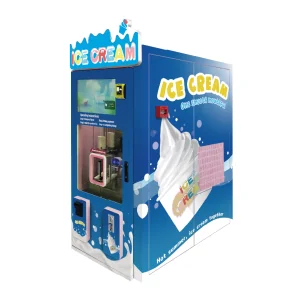
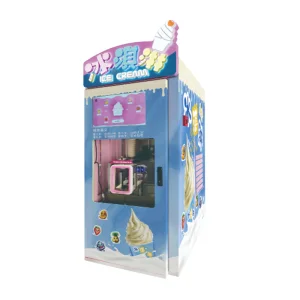
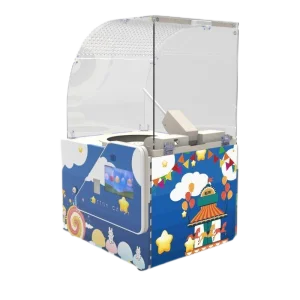
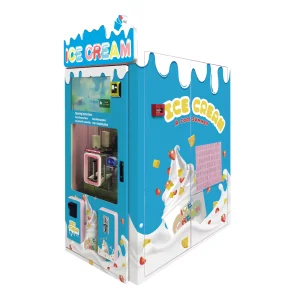
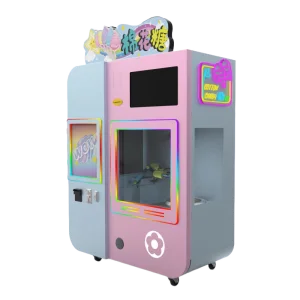
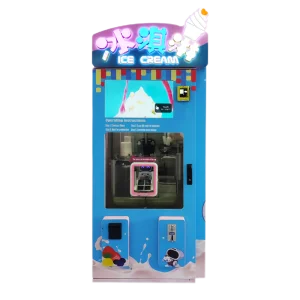
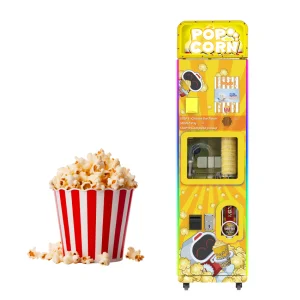
Our manufacturing complex in Guangzhou, China operates in strict accordance with these certified directives. Every automated cotton candy robot, robotic soft-serve ice cream dispenser, and smart popcorn station leaves our assembly line supported by complete technical documentation files (TCF), valid EC Certificates of Conformity, and test reports verified by accredited third-party testing bodies (including TST and HTT testing labs).
Combining heavy-duty sheet metal fabrication, precision robotics, micro-climate environmental controls, and 11-step Quality Assurance.
High-precision fiber laser cutting and CNC bending yield rigid structural chassis designed to withstand heavy public usage, accidental impacts, and continuous commercial transport.
Automated confectionery equipment requires precise environmental management. Internal dehumidifiers and sealed sugar-dispensing chambers prevent clumping even in high-humidity tropical zones.
Every unit undergoes a mandatory 24-hour continuous electromechanical burn-in cycle, simulating over 200 consecutive preparation orders to detect minor thermal or electrical variance prior to packing.
Seamlessly matching international power grids, multi-currency payment hardware, and regional sanitation protocols.
Factory configured with standard MDB interfaces supporting Nayax, Ingenico, Pax, Payter, and local credit card readers. Direct software integration supports Apple Pay, Google Pay, and localized QR codes (PayTm, WeChat Pay, Kakao Pay).
Custom transformer units allow effortless switching between 110V/60Hz (North America, Japan) and 220V–240V/50Hz (Europe, Middle East, Australia). Power supplies feature built-in surge suppression for electrical grid protection.
Touchscreen software comes pre-loaded with over 18 international languages. Interactive animation screens and voice guidance prompts can be adapted for local regional dialects and cultural branding preferences.
Deploying automated food robotics into strategic commercial environments to maximize daily impulse sales and footfall monetization.
Compact operational footprints (under 2 sq. meters) allow operators to lease high-visibility walkway space. Eye-catching RGB lighting patterns and transparent glass preparation windows turn candy creation into a captivating visual show for families.
Designed for heavy continuous demand during peak weekend crowds. Fast execution times (cotton candy within 60s, ice cream within 30s) ensure rapid queue management and high hourly throughput without needing additional counter staff.
Operating 24 hours a day, 7 days a week in security-cleared departure halls. Cashless payment systems accommodate international traveler currency cards, generating consistent passive revenue outside normal concession working hours.
Provides healthier or novelty alternative snacks to traditional concession stands. Models such as the P10 oil-free popcorn robot offer low-calorie options that appeal directly to contemporary health-conscious moviegoers.
Pioneering advancements in AI vision inspection, IoT telemetry dashboards, and eco-friendly natural refrigerant technology.
As a leading pioneer in commercial retail automation, SevenCloud continues to invest heavily in next-generation R&D. Our engineering technology roadmap focuses on three key hardware and software pillars:
Integrating neural-network cameras inside dispensing chambers to automatically analyze cotton candy shape, color layer distribution, and soft-serve swirl integrity before handing products over to consumers, guaranteeing 100% visual perfection.
Our next-gen 5G cloud management software monitors real-time motor torque variations, heater element resistance degradation, and ingredient shelf-life. Maintenance alerts trigger automated technician visits before equipment failures occur.
In response to global F-gas regulations, our ice cream robotic stations are transitioning to R290 propane natural refrigerants, achieving zero Ozone Depletion Potential (ODP) and ultra-low Global Warming Potential (GWP) while reducing energy draw by 22%.
Comprehensive answers regarding CE certification, factory OEM custom capabilities, operational maintenance, and global logistics.
Our complete equipment line complies with the EU Machinery Directive (2006/42/EC), Low Voltage Directive (2014/35/EU), Electromagnetic Compatibility Directive (2014/30/EU), and Food Contact Materials Regulation (EC 1935/2004). Full TCF documentation and third-party test reports are supplied with every order.
Yes. As a direct source factory, we offer full OEM and ODM capabilities. We can customize exterior vinyl decals, powder-coated cabinet colors, acrylic lightboxes, software branding, touchscreen menu layouts, and audio prompts according to your exact corporate guidelines.
Our automated ice cream machines feature built-in auto-pasteurization and automated Clean-In-Place (CIP) high-temperature cleaning cycles. Cotton candy machines feature automated hot-water spinning bowl cleaning routines, reducing daily manual maintenance work to under 15 minutes.
Our machines support standardized MDB protocols, allowing quick installation of Nayax, Ingenico, PAX, or local card readers. They can also accept local cash/coins, bill validators, and digital QR payments via integrated cloud API hooks.
Operators get access to a centralized cloud management dashboard accessible on mobile and desktop. This platform provides real-time sales reporting, inventory level monitoring, fault alerts, temperature logs, and remote price modification capabilities across your entire machine fleet.
Standard factory production leads take 15 to 25 business days depending on model customization. All machines are shipped inside heavy-duty, moisture-sealed export plywood crates that pass rigorous vibration and drop simulation tests to ensure safe arrival overseas.
Review our specialized retail models designed for diverse commercial venues, pop-up events, and industrial packaged food lines.