Factory-direct CE-certified automated dispensing mechanisms, robotic ice cream kiosks, and high-throughput snack stations engineered for 24/7 airport terminal deployment.
An exhaustive evaluation of automated unattended retail in international aviation hubs, evaluating footfall capitalization, passenger dwell-time economics, and concessionaire procurement models.
Modern airport authorities and master concessionaires (such as Lagardère Travel Retail, Dufry, HMSHost, and Autogrill) are undergoing a paradigm shift in terminal layout design. As global air passenger traffic rebounds beyond pre-pandemic peaks, airports face severe structural bottlenecks: surging operational overhead, labor shortages across late-night shifts, and shrinking physical square footage for traditional brick-and-mortar storefronts. Consequently, automated self-service vending kiosks have transitioned from auxiliary amenities to core drivers of Non-Aeronautical Revenue (NAR).
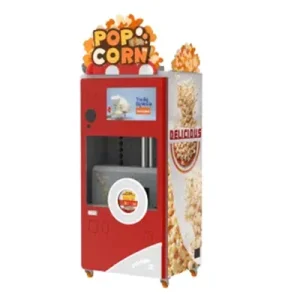
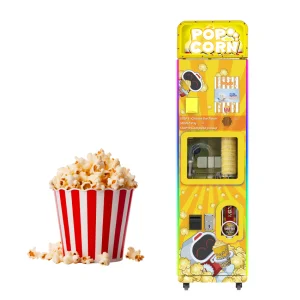
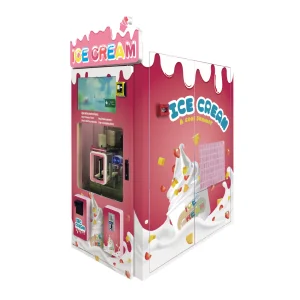
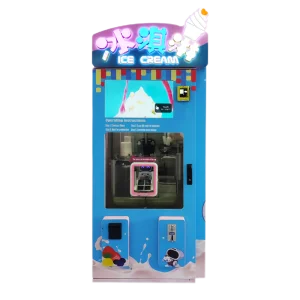
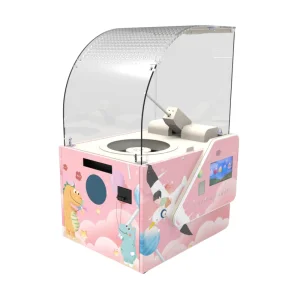
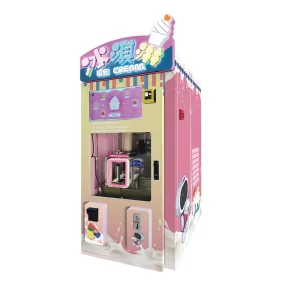
Airport terminals present a hyper-unique retail environment. Operating on a 24-hour cycle, international transit gates receive influxes of long-haul passengers experiencing circadian disruption, tight layovers, and varying currency/language backgrounds. Unattended robotic food and beverage stations—ranging from fully automated robotic ice cream kiosks and fresh-brewed bean-to-cup coffee stations to visual gourmet popcorn robots—fill critical service gaps during off-peak hours (23:00 to 05:00) when manned concessions are closed.
Passenger Dwell Time in gate lounges averages 45 to 75 minutes post-security clearing. Integrating CE-certified robotic vending hubs within high-density gate areas captures impulse purchases precisely when consumer willingness-to-spend is at its peak, yielding sales densities up to 4.2x higher per square meter than standard landside retail units.
Eliminates shift differential costs, security badging bottlenecks for retail employees, and union-mandated penalty rates. Robotic kiosks run autonomously with remote IoT telemetry oversight.
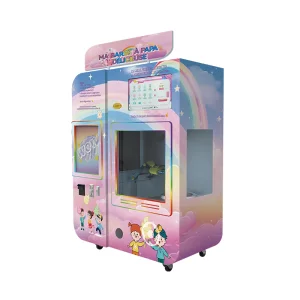
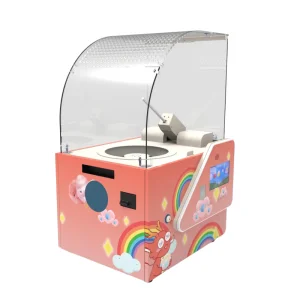
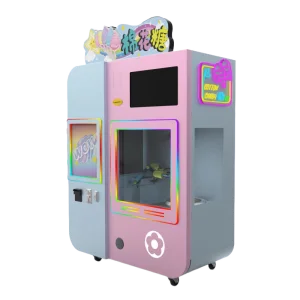
Specialty automated treats (e.g., robotic cotton candy, multi-flavor soft serve, organic freshly popped corn) achieve gross profit margins between 78% and 86%, far outperforming packaged bottled beverages.
Native integration with multi-currency EMV card readers, Apple Pay, Google Wallet, WeChat Pay, Alipay, and local transit passes ensuring seamless conversion for international travelers.
Deploying commercial machinery into airport airside and landside zones requires strict adherence to European Conformity (CE) directives, electromagnetic compatibility, electrical safety, and flammability compliance.
Airport tender committees and safety engineering departments impose stringent barrier-to-entry regulations on any electrical equipment operated within terminal footprints. Procurement directors must verify that prospective vending machine manufacturers possess genuine, third-party accredited CE certifications backed by comprehensive technical construction files (TCF).
| Regulatory Directive | European Standard (EN) | Airport Compliance Implication | SevenCloud Engineering Benchmark |
|---|---|---|---|
| Machinery Directive 2006/42/EC | EN ISO 12100:2010 / EN 60204-1 | Ensures mechanical safety of robotic arms, pinch-point protection, emergency stop circuits, and structural integrity. | Dual-channel safety interlocks, optical curtain sensors, zero-hazard robotic arm deceleration. |
| EMC Directive 2014/30/EU | EN 55014-1 / EN 55014-2 | Prevents radio frequency interference (RFI) with aircraft navigation systems, terminal Wi-Fi, and radar installations. | Class B industrial shielding, line filters, zero harmonic interference on 2.4GHz/5GHz aviation telemetry. |
| Low Voltage Directive (LVD) 2014/35/EU | EN 60335-1 / EN 60335-2-75 | Protects passengers and maintenance technicians from electrical shock, dielectric breakdown, and insulation failure. | Double-insulated internal wiring, automatic ground fault circuit interrupters (GFCI), 3750V dielectric isolation. |
| Food Contact Hygiene (1935/2004/EC) | EN 1672-2:2005+A1:2009 | Mandates food-grade non-toxic contact surfaces, anti-bacterial dispensers, and automated CIP (Clean-In-Place) cycles. | 304/316 Stainless steel internal hoppers, food-grade silicone tubing, UV-C sterilizing lamps in dispensing bays. |
| Fire Safety & Toxicity | UL94 V-0 / EN 13501-1 | Requires self-extinguishing enclosure materials to prevent smoke propagation in pressurized concourses. | Flame-retardant polycarbonate viewports, powder-coated cold-rolled steel chassis, zero-halogen internal wiring. |
In addition to standard CE certifications, airport operators in North America, Asia-Pacific, and the Middle East often require cross-jurisdictional compliance such as ETL / UL 751 (Vending Machines), NAMA Standard 31 (Sanitation), FCC Part 15 Class B, and RoHS Directive 2011/65/EU. Direct manufacturer sourcing from factories with pre-existing multi-national certification files reduces airport deployment approval timelines from 9 months down to under 30 days.
An architectural breakdown of industrial microcontrollers, telemetry modules, robotic motion controllers, and remote fleet management engines powers SevenCloud airport-grade vending platforms.
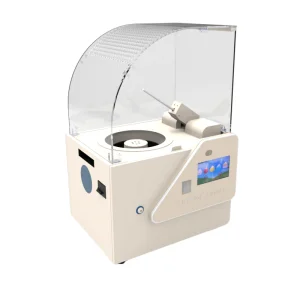
Equipped with high-torque industrial stepper motors and closed-loop optical encoders. Robotic manipulators achieve ±0.1mm positioning accuracy during intricate cotton candy shaping or ice cream topping dispensing.
Real-time data synchronization over dual 4G/LTE cellular backup and encrypted 802.11ac Wi-Fi. Operators access real-time stock levels, fault alarms, temperature graphs, and financial reconciliation dashboards.
Embedded thermal, current, and pressure sensors constantly feed machine learning diagnostics. System automatically isolates failing solenoids or heating elements and dispatches technician work orders prior to downtime.
SevenCloud vending hardware achieves an certified MTBF rating of > 12,000 operational cycles. Systems feature automated anti-clogging steam purge mechanisms, thermal self-regulation, and dual power supply redundancy for critical control boards.
Analyzing geographic adoption patterns, terminal footprint optimization, and real-world performance metrics across international aviation infrastructure.
The global airport vending machine ecosystem exhibits regional preferences and operational dynamics. Successful fleet deployment relies on matching machine category, product offering, and payment technology to localized passenger profiles.
| Global Region | Primary Airport Locations | Preferred Vending Technology | Key Passenger Conversion Drivers |
|---|---|---|---|
| North America (USA, Canada) | International Gate Lounges, Baggage Claim, Rental Car Centers | P30 Commercial Popcorn Robots, Automated Ice Cream Kiosks | Contactless payment speed, familiar snack brands, high late-night flight volume. |
| Europe (EU, UK, Switzerland) | Transit Corridors, Intermodal Train Terminals, Budget Airline Gates | CE-Certified Coffee Robots, Smart Fresh Food Lockers | Strict organic/sugar-free options, environmental compliance, multi-currency cashless. |
| Middle East & GCC (UAE, Qatar, KSA) | VIP Lounges, Family Concourses, Duty-Free Central Plazas | Robotic Cotton Candy Art Kiosks, Gourmet Soft-Serve Stations | Visual spectacle, luxury aesthetic customization, premium novelty appeal for traveling families. |
| Asia-Pacific (Japan, SG, KR, AU) | Departure Concourses, Transit Hotels, Regional Terminals | High-Precision Cotton Candy & Custom Soft-Serve Vending | High affinity for robotics, touchless mobile wallet integration (WeChat, Line, PayPay). |
Airports are strictly bifurcated into two distinct operational environments:
Why global operators partner directly with Guangzhou Seven Cloud Technology Co., Ltd. (SevenCloud / Qiyun) for enterprise-scale airport projects.
As a source manufacturer operating an 11,000 square meter standardized production facility in Guangzhou, China, SevenCloud provides complete vertical integration—from raw sheet metal laser cutting, robotic welding, and electrical assembly to comprehensive international software localization.
Every single airport-bound unit undergoes rigorous testing: incoming raw material audit, dielectric withstand testing, 24-hour continuous burn-in stress testing, and a simulated 200-cycle vending production run.
Pre-configured for regional power standards (110V/60Hz vs 220V/50Hz), custom plug configurations, NDB/MDB payment bus protocols, and integrated hardware mounts for Nayax, Ingenico, and Pax card terminals.
Complete structural and graphic customization available: custom terminal vinyl wraps, branded user interface touchscreens, tailored multi-language audio prompts, and white-label IoT management software portals.
Explore our factory-direct OEM/ODM vending machinery catalog engineered for global distribution, high-footfall entertainment, and aviation retail hubs.


Expert engineering responses to critical questions raised by airport authorities, commercial leasing directors, and master concession operators.
